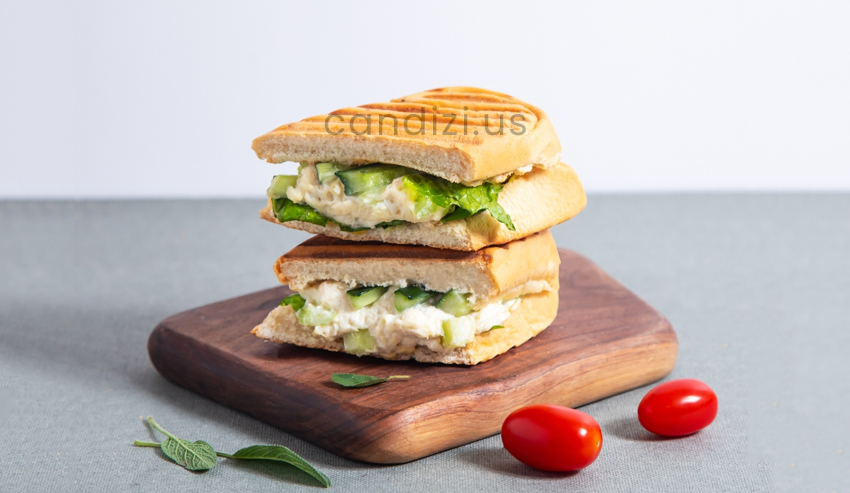
In today’s creative food culture, one trend that has taken breakfast and brunch tables by storm is toastul — a visually stunning and flavor-balanced take on the classic toast. Unlike ordinary slices of bread with butter or jam,it transforms simple ingredients into edible art. It combines culinary design, nutrition awareness, and personal expression, creating an experience that delights both the eyes and the taste buds.
So, what is toastul exactly? At its heart, toastul is more than just a meal — it’s a movement that blends the beauty of food styling with mindful eating. Every piece of toastul is carefully layered, color-coordinated, and composed to achieve harmony in flavor, texture, and nutrition. Whether it’s avocado swirls topped with microgreens or nut butter paired with sliced fruit and seeds, each creation tells its own delicious story.
Food enthusiasts and wellness lovers alike are drawn to toastul because it redefines how we think about breakfast. It’s proof that healthy eating doesn’t have to be dull or restrictive; instead, it can be imaginative, energizing, and incredibly satisfying. With its roots in social media aesthetics and café culture, it has evolved into a form of self-expression — one that celebrates creativity in the kitchen and individuality on the plate.
What Is Toastul?
Toastul refers to a modern culinary concept where a slice of bread becomes the canvas for a thoughtfully arranged combination of toppings. Think of it as the intersection between food art and balanced nutrition. The idea behind toastul is to craft a visually appealing toast that’s equally rich in taste and nutrients.
A typical toastul recipe includes a foundation — often sourdough, rye, or multigrain bread — topped with nutrient-dense spreads such as hummus, yogurt, nut butter, or mashed avocado. Then come the complementary toppings: seasonal fruits, vegetables, herbs, seeds, edible flowers, and drizzles of honey or olive oil. Each element serves a purpose — color for appeal, texture for satisfaction, and flavor for balance.
But toastul is not just about good looks. It’s deeply tied to the growing awareness of mindful eating and the importance of nutrition. Instead of hurried breakfasts or sugary snacks, people are choosing toastul to slow down, savor, and reconnect with what they eat. It encourages creativity while promoting healthier food choices.
Another reason behind the popularity of toastul is its adaptability. There’s no single “right” way to make it. From vegan and gluten-free options to protein-packed post-workout versions, it fits into almost any dietary preference or lifestyle. This flexibility makes it a perfect choice for individuals seeking a personalized eating experience that aligns with their health goals.
In essence, toastul represents a culinary evolution — one that blends simplicity with sophistication. It’s easy to prepare yet endlessly versatile. Each slice becomes a blank canvas, inviting experimentation with ingredients, textures, and colors. Whether you’re an aspiring home chef or someone who loves to start the day with a nourishing meal, it brings joy, balance, and creativity to every bite.
The Origins and Evolution of Toastul
Toastul started as a simple idea: turning ordinary toast into a canvas for creativity. Unlike regular buttered bread, it emphasizes artful presentation, balanced ingredients, and personalized flavor combinations. Its roots can be traced back to the rise of visually driven food culture on platforms like Instagram, TikTok, and Pinterest, where food isn’t just eaten—it’s showcased.
The trend first gained attention around 2020–2022, when food bloggers and home cooks began layering toast with colorful fruits, nuts, seeds, edible flowers, and gourmet spreads. Unlike traditional avocado toast, which focuses on minimalistic, savory toppings, toastul encourages bold, maximalist creativity. Each slice is designed not just to taste delicious but to be visually stunning, making it a perfect subject for photography and social sharing.
As the trend grew, toastul evolved into more than a breakfast item. It became a lifestyle choice, with variations for lunch, dinner, snacks, and even dessert. From sweet berry-topped creations to savory avocado and poached egg combinations, the possibilities became endless. Food enthusiasts worldwide started experimenting with local flavors, making toastul a versatile dish that transcends cultural boundaries.
The evolution of toastul also reflects a shift in how people approach food. It’s not just about nutrition—it’s about mindfulness, creativity, and enjoyment. By combining aesthetic appeal with healthy ingredients like whole-grain breads, fruits, seeds, and nut butters, toastul has earned a place as both a visual and culinary delight.
Today, toastul continues to grow in popularity, inspiring chefs, influencers, and home cooks alike to innovate and share their creations. Its journey from a simple twist on toast to a global food phenomenon demonstrates the power of creativity, social media, and the universal love of food that looks as good as it tastes.
Creative Toastul Variations & Presentation Ideas
The beauty of toastul lies in its versatility. It’s not just food — it’s a form of edible art that encourages creativity and self-expression. Whether you lean toward sweet or savory, traditional or experimental, there’s a toastul for every taste and mood.
Below are some delicious variations and fun presentation ideas to inspire your next creation.
1. Sweet Toastul Variations
For those who love a touch of sweetness, toastul can easily become a delightful treat or healthy dessert alternative. The key is balancing natural sugars with wholesome ingredients.
Ideas include:
-
Berry Bliss: Ricotta or Greek yogurt topped with strawberries, blueberries, and a drizzle of honey.
-
Banana Nut Crunch: Almond butter spread with banana slices, crushed walnuts, and a sprinkle of cinnamon.
-
Tropical Delight: Coconut yogurt, mango chunks, kiwi slices, and a touch of chia seeds.
-
Chocolate Indulgence: Mascarpone cheese, dark chocolate shavings, and raspberries for a dessert-style toastul that still feels light.
Each version blends color, texture, and natural sweetness, making it perfect for both the palate and the camera.
2. Savory Toastul Variations
Savory toastul versions are perfect for breakfast, lunch, or even a light dinner. They combine satisfying ingredients with complex flavors.
Examples include:
-
Mediterranean Mood: Hummus spread with roasted red peppers, olives, and crumbled feta.
-
Garden Fresh: Avocado mash, cherry tomatoes, basil, and a sprinkle of sea salt.
-
Protein Power: Poached egg, spinach, and smoked salmon finished with a squeeze of lemon.
-
Spicy Fusion: Cream cheese, kimchi, sesame seeds, and scallions for a bold twist.
These combinations showcase how adaptable toastul can be — one simple base, endless flavor directions.
3. Global Fusion Toastul
Food lovers around the world have started infusing toastul with international flair. This not only diversifies the flavor palette but also pays tribute to global culinary traditions.
Fusion ideas:
-
Japanese Style: Miso butter with nori flakes and sesame seeds.
-
Mexican Twist: Refried beans, avocado, and salsa topped with cilantro.
-
French Chic: Brie cheese, figs, and a drizzle of honey.
-
Middle Eastern Vibes: Labneh, za’atar, and pomegranate seeds.
By experimenting with spices, condiments, and regional ingredients, each toastul tells a unique cultural story.
4. Mini Toastul & Sharing Boards
Hosting brunch or a casual gathering? Mini toastul bites are crowd-pleasers. Cut bread into smaller pieces and prepare a variety of toppings — sweet, savory, or fusion — for a Toastul Board experience.
Arrange the pieces on a wooden board with garnishes, spreads, and sauces on the side. This interactive setup encourages guests to mix and match flavors while admiring the visual beauty of your creations.
It’s a perfect way to turn a simple breakfast into a memorable event.
5. Presentation & Plating Tips
Presentation plays a huge role in elevating toastul. After all, part of its charm lies in its visual appeal.
Here are a few quick plating ideas:
-
Use contrasting colors — pair bright fruits with neutral spreads.
-
Leave negative space on the plate for a clean, aesthetic look.
-
Add microgreens or edible flowers to create depth and color balance.
-
Stack layers creatively for height and dimension.
-
Drizzle sauces like honey or balsamic reduction in gentle swirls for a refined finish.
For those sharing on social media, natural lighting and top-down angles work best to highlight the textures and tones of your toastul masterpiece.
6. Fun for Families & Kids
Toastul isn’t just for adults — it’s a fun, interactive way to get kids involved in the kitchen. Setting up a Toastul Station with fruits, spreads, and toppings encourages children to experiment and build their own combinations.
It’s not only an enjoyable activity but also a sneaky way to promote healthy eating habits through creative play.
7. The Artistic Side of Toastul
More than a meal, toastul represents creativity on a plate. The process of designing one — from choosing colors to arranging elements — feels therapeutic and artistic. For many, making toastul has become a form of mindfulness, blending culinary skill with visual design.
How to Make Homemade Toastul
Creating toastul at home is both simple and satisfying. It’s the kind of meal that looks gourmet but requires minimal effort — making it perfect for busy mornings or cozy weekend brunches. With just a few thoughtful steps, anyone can transform a basic slice of bread into a colorful, flavorful, and healthy masterpiece.
1. Choose the Right Bread Base
The foundation of any great toastul is the bread. Opt for whole-grain, sourdough, or multigrain bread for a hearty texture and added nutrients. For sweet variations, a soft brioche or cinnamon loaf can bring a dessert-like twist. Whatever the choice, it should be sturdy enough to hold the toppings without becoming soggy.
2. Toast to Perfection
To achieve that signature crunch, toast the bread until it’s golden brown — crisp on the outside, slightly soft inside. You can use a toaster, oven, or skillet. For extra flavor, brushing the bread lightly with olive oil or butter before toasting adds a subtle richness.
3. Spread Your Base Layer
The spread acts as the glue between the bread and toppings, providing texture and taste. Depending on the flavor theme, choose options like:
-
Avocado mash for a savory base
-
Ricotta or cream cheese for creamy richness
-
Nut butter for a sweet and energizing start
-
Hummus or Greek yogurt for a protein-packed alternative
This layer also prevents moisture from seeping into the bread, keeping your toastul perfectly crisp.
4. Add Main Toppings
Here’s where creativity shines. Think of your toppings as a way to express your personal style:
-
Fruits like berries, bananas, or figs for sweetness
-
Vegetables like roasted peppers, cherry tomatoes, or spinach for depth
-
Proteins such as eggs, smoked salmon, or tofu for balance
-
Nuts and seeds for crunch and nutrition
Mix colors and textures for a visually appealing result — remember, it is as much about art as it is about flavor.
5. Garnish and Drizzle
To complete your masterpiece, add the finishing touches — fresh herbs, edible flowers, microgreens, or a drizzle of honey, olive oil, or balsamic glaze. These accents elevate your dish, turning your toastul into something camera-worthy and delicious.
6. Presentation Matters
Serving toastul beautifully enhances the experience. Arrange it on rustic boards or minimalist ceramic plates, using garnishes to frame the dish. A few small details — like wiping off crumbs or adding a sprinkle of seeds — can make it look like it came straight from a café.
7. Experiment with Flavor Themes
Homemade toastul is incredibly versatile. Try themes like:
-
Mediterranean: Hummus, olives, feta, and sun-dried tomatoes
-
Tropical: Coconut yogurt, mango slices, and chia seeds
-
Classic Sweet: Peanut butter, banana, and cinnamon
-
Gourmet Savory: Ricotta, smoked salmon, and dill
Each variation tells its own story and offers a different sensory experience.
8. Keep It Fresh and Sustainable
For an eco-friendly twist, it can be made using leftover ingredients — half a tomato, a few herbs, or extra vegetables. This not only reduces food waste but also inspires creativity. Using local, seasonal produce adds both flavor and sustainability to your plate.
Health Benefits of Toastul
Beyond its beauty and creativity, toastul also shines as a healthy, balanced meal option. It’s not just trendy — it’s genuinely good for you when made with the right ingredients.
1. Rich in Fiber and Whole Grains
When prepared with whole-grain bread, toastul becomes a great source of dietary fiber. This helps improve digestion, supports gut health, and keeps you feeling full longer. It’s an easy and delicious way to get your daily fiber intake without sacrificing taste.
2. Packed with Healthy Fats
Toppings like avocado, nut butters, and olive oil turn toastul into a heart-friendly meal. These ingredients are rich in monounsaturated fats that support cardiovascular health and boost energy naturally.
3. Excellent Source of Protein
Depending on the recipe, toastul can also be protein-rich. Options like eggs, Greek yogurt, hummus, or cottage cheese help repair muscles, maintain satiety, and keep blood sugar levels stable.
4. High in Vitamins and Antioxidants
Adding fruits such as berries, bananas, or citrus slices enhances the nutritional value of toastul. These ingredients are loaded with antioxidants, which help fight inflammation and promote glowing skin.
5. Perfect for Balanced Nutrition
Because you can mix carbs, proteins, and fats in one meal, it is a great way to achieve nutritional balance. It fuels your body with sustainable energy — ideal for breakfast, a post-workout meal, or even a light dinner.
6. Supports Mindful Eating
Another subtle benefit of toastul is that it encourages creativity and mindfulness. Preparing and styling your toast allows you to slow down, enjoy the process, and make healthier food choices consciously.
Why Toastul Is Different: Comparing It to Other Breakfast Favorites
| Aspect | Toastul | Traditional Toast | Avocado Toast | Other Visual Breakfasts (Smoothie Bowls, Pancakes) |
|---|---|---|---|---|
| Focus | Creativity, visual appeal, balanced ingredients | Simple spreads like butter or jam | Minimalist, mostly savory | Aesthetic presentation, layered ingredients |
| Toppings | Sweet and savory combinations: fruits, nut butters, eggs, cheeses, roasted vegetables | Usually butter, jam, or a single topping | Mainly avocado with salt, pepper, or chili flakes | Fruits, nuts, syrups, yogurt |
| Meal Flexibility | Can be enjoyed at breakfast, lunch, dinner, snacks, or dessert | Primarily breakfast | Breakfast or brunch | Breakfast or dessert-focused |
| Ease of Preparation | Requires thoughtful layering and creativity but accessible | Very simple | Simple to moderate | Often requires multiple ingredients or tools |
| Nutritional Value | Whole-grain bread, fresh fruits, protein-rich spreads, seeds | Depends on toppings | Healthy fats and some protein | Varies, can be high in sugar |
| Visual Appeal | High, Instagram-worthy and photogenic | Low to moderate | Moderate | High, visually attractive |
| Uniqueness | Combines taste, nutrition, and aesthetics in one slice | Functional, basic breakfast | Minimalist trend with focus on avocado | Mostly dessert or breakfast-focused aesthetics |
Toastul in Cafés, Restaurants, and Social Media Culture
Toastul isn’t just a home kitchen phenomenon — it has evolved into a full-fledged culinary trend that has taken over cafés, brunch spots, and social media feeds worldwide. From its humble beginnings as a visually appealing breakfast slice to a global lifestyle statement, it has proven that food can be both nourishing and artistic.
1. The Café & Restaurant Revolution
Cafés and restaurants around the world have embraced toastul as a signature offering. Why? Because it’s versatile, visually appealing, and perfect for Instagram.
Key reasons for its popularity in food establishments:
-
Customizable Menu Items: Cafés can offer multiple toastul combinations catering to sweet, savory, vegan, or gluten-free diets.
-
Instagram-Worthy Presentation: Bold colors, layered textures, and artistic plating make toastul highly shareable on social media.
-
Quick Preparation: Most toastul recipes are simple and fast, making them ideal for busy kitchens without sacrificing quality.
-
Premium Pricing: Its artisanal appeal allows restaurants to price it as a specialty item while still maintaining popularity.
Some trendy cafés even offer Toastul Boards — a collection of mini toastul bites with diverse toppings, perfect for sharing or tasting multiple flavors in one sitting.
2. Social Media & Viral Trends
Social media platforms like Instagram, TikTok, and Pinterest have played a pivotal role in toastul’s meteoric rise. Videos and posts featuring colorful, layered toastul creations quickly go viral, inspiring home cooks and influencers alike.
Why Toastul thrives on social media:
-
Visual Appeal: High contrast toppings, edible flowers, and creative arrangements are eye-catching.
-
Easy-to-Recreate Recipes: Short videos and step-by-step reels encourage followers to try toastul at home.
-
Hashtag Power: Tags like #Toastul, #ToastArt, or #BreakfastGoals connect enthusiasts and create a sense of community.
-
Trend Longevity: Unlike fleeting food fads, toastul’s versatility ensures it remains relevant across seasons and diets.
Influencers have also turned toastul into a lifestyle trend — promoting not just the recipe but an overall aesthetic and mindful approach to eating.
3. Toastul Cafés & Branded Experiences
Some food entrepreneurs have gone beyond individual recipes, creating Toastul-themed cafés dedicated solely to this trend. These cafés offer curated menus featuring signature toastul creations, global-inspired fusion options, and dessert-style versions.
Business opportunities include:
-
Brunch Menus: Sweet and savory toastul options attract both morning and midday crowds.
-
Meal Kits: Pre-packed ingredients for home-made toastul, perfect for DIY enthusiasts.
-
Workshops & Events: Interactive toastul sessions teach customers how to design their own edible art.
These ventures highlight how it has grown from a simple dish into a scalable, profitable culinary concept.
4. Global Popularity & Cultural Influence
The influence of toastul extends beyond a single region. Creative cooks worldwide are experimenting with local flavors and ingredients, resulting in exciting fusion dishes.
Examples:
-
Asian-Inspired Toastul: Miso paste, pickled vegetables, or kimchi for savory innovation.
-
Mediterranean Twist: Hummus, za’atar, feta, and olives for a light, fresh flavor.
-
Mexican Flavor Profile: Avocado, black beans, corn, and fresh cilantro.
Each variation shows how toastul adapts effortlessly to cultural preferences while maintaining its core philosophy — a balance of taste, texture, and aesthetics.
5. Health & Lifestyle Integration
Toastul is more than just visually appealing; it also resonates with health-conscious audiences. Whole-grain breads, nutrient-rich spreads, fresh fruits, and protein-packed toppings align perfectly with modern wellness trends.
By featuring toastul on menus and social media, cafés and influencers promote mindful eating, portion control, and balanced nutrition — all while keeping the dish fun and customizable.
6. Toastul as a Content Strategy
For restaurants, cafés, and food bloggers, toastul is not just a dish; it’s content. Its visually stunning appearance makes it a powerful tool for marketing, engagement, and brand growth.
-
Visual storytelling: Each plate of toastul tells a story of flavor, texture, and creativity.
-
Engagement driver: Followers are more likely to comment, like, or share posts featuring artistic toastul.
-
Collaborations: Brands and cafés partner with influencers to create limited-edition toastul specials.
In short, toastul has evolved into a modern symbol of creativity, lifestyle, and social influence — a trend that’s both tasty and impactful.
Mastering Toastul: Common Mistakes and Smart Hacks
Creating the perfect Toastul can feel like an art form, but even small missteps can affect the final taste and appearance. Knowing what to avoid and implementing simple hacks can make your Toastul creations both beautiful and delicious.
Common Mistakes to Avoid
-
Using the Wrong Bread – Thin or soft bread can collapse under heavy toppings. Opt for sturdy slices like sourdough, multigrain, or brioche.
-
Overloading with Wet Ingredients – Juicy fruits or creamy spreads can make your Toastul soggy. Pat fruits dry and layer wisely.
-
Skipping the Cooling Step – Adding toppings to hot toast can cause spreads to slide or melt. Allow slices to cool for a minute or two before assembling.
-
Ignoring Flavor Balance – Visual appeal is important, but taste matters too. Pair sweet with creamy, savory with acidic, and avoid overpowering flavors.
-
Uneven Slicing – Thick or irregular slices can make your Toastul hard to eat or photograph. Consistency in thickness improves both presentation and biteability.
Smart Hacks for a Perfect Toastul
-
Brush with Oil or Butter – A light coat of coconut oil or butter before toasting adds golden crispness and richness.
-
Layer Strategically – Place leafy greens or moist ingredients between dry layers to prevent sogginess.
-
Use Molds for Symmetry – Ring molds or cookie cutters make fruit or toast shapes more visually appealing.
-
Controlled Drizzles – Small squeeze bottles for honey, syrup, or balsamic reduction help create precise, Instagram-worthy designs.
-
Prep Ingredients in Advance – Pre-slicing fruits, cheeses, or spreads saves time and ensures a smoother assembly process.
By avoiding these pitfalls and embracing these simple hacks, anyone can elevate their Toastul from ordinary to gourmet, making each slice a delicious, visually striking masterpiece.
Final Words
Toastul has transformed the simple slice of bread into a canvas for creativity, nutrition, and self-expression. From sweet and savory variations to global fusion inspirations, each slice showcases a balance of flavor, texture, and visual appeal. Its rise in popularity is driven not only by its versatility but also by the influence of café culture and social media, inspiring home cooks, chefs, and food enthusiasts worldwide.
By experimenting with ingredients, thoughtful presentation, and mindful preparation, anyone can master toastul at home — turning an everyday meal into an artful experience. Whether served as a quick breakfast, a satisfying lunch, or a shareable brunch board, it proves that healthy eating can be imaginative, enjoyable, and visually stunning. This culinary trend continues to grow, encouraging creativity in the kitchen while promoting balanced nutrition and mindful eating for all.
Stay close for alerts, announcements, and breaking news. Candizi!