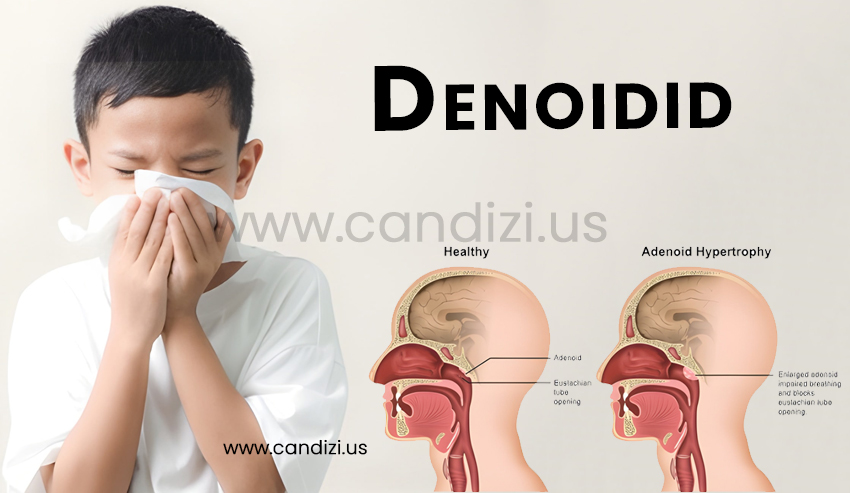
Denoidid refers to the inflammation or infection of the adenoids — small clusters of lymphatic tissue located at the back of the nasal cavity. These adenoids play a vital role in supporting a child’s immune system by trapping germs that enter through the nose or mouth. However, when the adenoids become swollen, enlarged, or infected, it leads to a condition known as denoidid.
In simple terms, denoidid is similar to tonsillitis but affects the adenoids instead of the tonsils. It can cause nasal blockage, breathing difficulties, snoring, and recurrent ear or sinus infections. While it is more common in children, adults may also experience it in rare cases.
This article explains everything you need to know about denoidid — from its causes, symptoms, and diagnosis to available treatment options, home remedies, and prevention methods. Let’s explore this important health condition in detail so you can recognize, manage, and treat it effectively.
What Are Adenoids and Their Role in the Body?
Before diving deeper into denoidid, it’s important to understand what adenoids actually are. Adenoids are small, soft lymphatic tissues situated high behind the nose, just above the throat. Together with the tonsils, they form part of the body’s first line of defense against infections.
During early childhood, adenoids help filter bacteria and viruses that enter through the nose or mouth. They contain immune cells that produce antibodies, strengthening the body’s ability to fight off infections. However, as a person grows older, the immune system matures, and adenoids gradually shrink — often disappearing by adulthood.
When these tissues become infected or inflamed, the condition is called denoidid, which can lead to various upper respiratory issues.
Understanding Denoidid in Simple Terms
Denoidid is most commonly caused by bacterial or viral infections that affect the adenoids. Because adenoids are located near the nasal passage, infections can easily reach them when a child has a cold, flu, or throat infection.
When inflammation occurs, the adenoids swell and can block airflow through the nose. This is why children suffering from denoidid often breathe through their mouth or experience snoring while sleeping. In severe or chronic cases, the swelling can lead to sinus or ear infections due to blocked Eustachian tubes — the small passages that connect the throat to the middle ear.
Causes of Denoidid
There are several possible causes of denoidid, and understanding them is key to proper prevention and treatment. Below are the most common ones:
1. Bacterial Infections
The most common cause of denoidid is bacterial infection, particularly by Streptococcus pyogenes (the same bacteria that cause strep throat). When bacteria infect the adenoids, they multiply rapidly, leading to swelling, redness, and pus formation.
2. Viral Infections
Viruses like the flu (influenza), adenovirus, and rhinovirus can also cause denoidid. These infections often start as a common cold but can extend to the adenoids, leading to inflammation and congestion.
3. Allergic Reactions
Chronic allergies can irritate the adenoids, causing them to swell even in the absence of infection. Dust, pollen, pet dander, and mold are common allergy triggers that can lead to denoidid symptoms.
4. Environmental Factors
Polluted air, cigarette smoke, or exposure to irritants can inflame the nasal passages and adenoids over time. Children exposed to secondhand smoke are particularly at risk of developing denoidid.
5. Weakened Immunity
A weak immune system — whether due to poor nutrition, frequent illness, or lack of rest — can make children more susceptible to recurrent infections, including denoidid.
Symptoms of Denoidid
Recognizing the symptoms of denoidid early is crucial for timely treatment. The signs may vary depending on the severity of inflammation, but the most common symptoms include:
-
Nasal congestion or a blocked nose
-
Mouth breathing, especially at night
-
Snoring or noisy breathing during sleep
-
Runny nose with thick mucus
-
Sore throat or difficulty swallowing
-
Ear pain or fluid buildup in the middle ear
-
Swollen glands in the neck
-
Sleep disturbances or restless sleep
-
Fever and general tiredness
In children, prolonged denoidid can cause changes in facial growth known as adenoid facies — where the face appears long with an open mouth and narrowed nasal passages.
Acute vs. Chronic Denoidid
Like many infections, denoidid can be classified into two main types based on duration and severity:
1. Acute Denoidid
This form develops suddenly, often following a cold or throat infection. Symptoms such as fever, nasal obstruction, and sore throat appear quickly but usually resolve within a week or two with proper care.
2. Chronic Denoidid
Chronic denoidid occurs when inflammation persists or recurs frequently. This can lead to long-term nasal blockage, recurrent ear infections, and even hearing problems due to Eustachian tube dysfunction.
If left untreated, chronic inflammation may require medical procedures like adenoidectomy (surgical removal of the adenoids).
Complications Associated with Denoidid
Untreated or recurrent denoidid can lead to several complications, particularly in children. These include:
-
Recurrent Ear Infections (Otitis Media) – Blocked Eustachian tubes can cause fluid buildup behind the eardrum, leading to ear pain and hearing difficulties.
-
Sinus Infections – Chronic nasal blockage can trap mucus, resulting in sinusitis.
-
Breathing Problems – Constant mouth breathing and nasal obstruction can disrupt sleep patterns, causing fatigue and irritability.
-
Speech or Developmental Issues – Severe or long-term adenoid inflammation can affect a child’s speech clarity and facial structure.
-
Tonsillitis Co-infection – In many cases, denoidid occurs alongside tonsillitis, as both tissues are part of the same immune system network.
Diagnosis of Denoidid
Diagnosing denoidid requires a physical examination by an ear, nose, and throat (ENT) specialist. The doctor may perform the following procedures:
1. Physical Examination
The physician will ask about symptoms like snoring, nasal congestion, or mouth breathing and may inspect the throat for swelling.
2. Nasal Endoscopy
A thin, flexible camera is inserted into the nose to view the adenoids and check for inflammation or blockage.
3. X-ray or Imaging Tests
In some cases, a neck X-ray helps measure adenoid size and assess whether they are causing breathing or ear problems.
4. Culture Test
If infection is suspected, a swab may be taken from the throat or nasal passage to identify the exact bacteria or virus responsible for denoidid.
5. Hearing Tests
Children with recurrent ear infections linked to adenoid swelling might undergo hearing assessments to detect fluid buildup or impairment.
Treatment Options for Denoidid
Treatment for denoidid depends on its cause, severity, and frequency. While mild cases often improve on their own, persistent or severe infections require medical care. The main treatment approaches include:
1. Home Remedies and Supportive Care
Mild denoidid can be managed at home with plenty of rest, hydration, and a few simple remedies:
-
Use a humidifier to keep the air moist and reduce throat irritation.
-
Encourage your child to drink warm fluids like soups or herbal teas.
-
Administer saline nasal sprays to clear nasal passages.
-
Ensure proper sleep positioning (head slightly elevated) to improve breathing.
2. Medications
Doctors may prescribe:
-
Antibiotics for bacterial infections (such as amoxicillin or augmentin).
-
Pain relievers like acetaminophen or ibuprofen to ease fever and discomfort.
-
Nasal corticosteroid sprays to reduce swelling and improve airflow.
-
Antihistamines if allergies contribute to inflammation.
3. Adenoidectomy (Surgical Removal)
When medications fail to relieve chronic or severe denoidid, surgery may be recommended. Adenoidectomy is a minor procedure performed under general anesthesia to remove the adenoids. It’s often done in children who experience:
-
Recurrent ear or sinus infections
-
Breathing or sleep problems due to swollen adenoids
-
Persistent nasal blockage despite medication
Recovery is usually quick — most children return to normal activities within a week.
Recovery, Home Remedies, Prevention, and FAQs
Post-Treatment and Recovery After Denoidid
Once treatment for denoidid begins—whether through medication or surgery—it’s essential to follow a proper recovery routine to ensure complete healing. Here’s what recovery usually looks like and what you can do to support it:
1. After Medical Treatment
If your child was prescribed antibiotics or nasal sprays for denoidid, complete the full course of medication even if symptoms improve early. Incomplete treatment can lead to recurrence or antibiotic resistance.
During recovery:
-
Keep your child hydrated with water, soups, and juices.
-
Maintain good nasal hygiene with saline rinses.
-
Avoid exposure to allergens and cigarette smoke.
-
Ensure adequate rest and a balanced diet to strengthen immunity.
2. After Adenoidectomy (Surgical Removal)
When denoidid becomes chronic or severely impacts breathing, adenoidectomy may be the best option. The recovery process after surgery is typically smooth but requires attention:
Post-surgery care tips:
-
Expect mild throat soreness or nasal congestion for a few days.
-
Offer soft, cool foods like yogurt, pudding, or mashed potatoes.
-
Avoid spicy, crunchy, or hot foods until the throat heals.
-
Keep your child away from vigorous activities for about 7–10 days.
-
Use pain relievers prescribed by your doctor to manage discomfort.
Most children experience dramatic improvement after surgery — breathing becomes easier, snoring reduces, and ear or sinus infections occur less frequently.
Natural and Home Remedies for Denoidid Relief
While medical treatment is often necessary, some home-based remedies can provide comfort and support healing. Always consult a healthcare professional before using them, especially for children.
1. Steam Inhalation
Steam inhalation helps loosen mucus and open nasal passages, providing relief from congestion. Simply boil water, pour it into a bowl, and allow your child to inhale the steam (under supervision) for 5–10 minutes.
2. Warm Saline Gargles
If the child is old enough to gargle, use warm salt water to soothe a sore throat and reduce bacteria in the mouth.
3. Honey and Turmeric
A mixture of warm milk with a pinch of turmeric and honey can help reduce inflammation and boost immunity naturally. (Avoid giving honey to children under one year of age.)
4. Humidifier or Air Purifier
Dry indoor air can worsen nasal irritation. A humidifier adds moisture, while an air purifier removes dust and allergens that may trigger denoidid flare-ups.
5. Herbal Teas
Teas made with ingredients like ginger, chamomile, or licorice root can soothe the throat and reduce inflammation.
6. Adequate Sleep
Sleep is when the immune system repairs itself. Ensuring your child gets enough quality sleep supports faster recovery from denoidid.
Dietary Tips to Support Healing from Denoidid
Nutrition plays a vital role in managing and preventing denoidid. The immune system needs vitamins, minerals, and hydration to fight infections effectively. Here are some diet recommendations:
Foods That Help:
-
Vitamin C-rich foods: oranges, strawberries, kiwis, and bell peppers strengthen immunity.
-
Zinc sources: eggs, nuts, and seeds promote healing.
-
Warm soups and broths: soothe the throat and keep hydration levels up.
-
Leafy greens and vegetables: provide antioxidants to fight inflammation.
-
Yogurt with probiotics: supports gut health, which in turn strengthens the immune system.
Foods to Avoid:
-
Sugary snacks and beverages that suppress immune function.
-
Fried or greasy foods that irritate the throat.
-
Processed foods high in preservatives or artificial ingredients.
-
Cold drinks or ice cream (in the early stages of infection) which can worsen congestion.
Prevention of Denoidid
Preventing denoidid largely depends on maintaining a healthy immune system and avoiding infections. Below are practical steps to prevent recurrence:
1. Encourage Regular Handwashing
This simple habit significantly reduces the spread of viruses and bacteria that can cause upper respiratory infections.
2. Manage Allergies
If your child suffers from seasonal allergies, work with a doctor to manage them through medications or avoidance of triggers. Controlled allergies mean less inflammation of the adenoids.
3. Maintain a Clean Environment
Dust, smoke, and pollutants are major irritants. Regularly clean your home and ensure proper ventilation. Avoid smoking near children.
4. Strengthen Immunity
A balanced diet, adequate hydration, proper sleep, and outdoor physical activity strengthen the immune system and reduce infection risks.
5. Vaccinations
Ensure your child’s immunizations are up to date. Vaccines for influenza and other respiratory infections help prevent conditions that may lead to denoidid.
6. Avoid Overuse of Antibiotics
Misusing antibiotics can cause resistance, making future infections harder to treat. Only use them when prescribed by a qualified physician.
When to See a Doctor for Denoidid
While mild cases of denoidid can resolve on their own, medical attention is necessary if:
-
Symptoms persist beyond 10 days.
-
The child has recurrent ear infections.
-
Breathing becomes difficult, especially at night.
-
There is a persistent fever or nasal discharge with a foul smell.
-
Speech changes or hearing problems occur.
Prompt medical care ensures early intervention, prevents complications, and improves long-term outcomes.
Denoidid in Adults: Is It Possible?
Although denoidid is most common in children, adults can occasionally experience it, especially if adenoid tissue hasn’t completely shrunk. In adults, the symptoms may mimic chronic sinusitis — with nasal blockage, headaches, and postnasal drip.
Common risk factors for adult denoidid include:
-
Chronic allergies
-
Repeated throat infections
-
Smoking or exposure to pollutants
-
Compromised immunity
Treatment for adult denoidid is similar but may focus more on managing chronic inflammation through nasal sprays, antibiotics, and in rare cases, surgery.
Long-Term Outlook for People with Denoidid
Most children with denoidid recover completely after proper treatment. As they grow, the adenoids naturally shrink, reducing the chance of future infections. For children who undergo adenoidectomy, the long-term prognosis is excellent — they breathe better, sleep more soundly, and experience fewer ear or sinus infections.
Maintaining healthy habits, regular checkups, and a clean environment are key to long-term wellness.
Denoidid vs. Tonsillitis: What’s the Difference?
Although denoidid and tonsillitis often occur together, they affect different parts of the body. Here’s a quick comparison:
| Feature | Denoidid (Adenoiditis) ✅ | Tonsillitis ❌ |
|---|---|---|
| Location | Behind the nasal cavity | Back of the throat |
| Main Symptoms | Nasal blockage, mouth breathing, snoring | Sore throat, difficulty swallowing |
| Common in | Younger children | Children and teenagers |
| Voice Effect | Nasal tone | Muffled voice |
| Treatment | Nasal sprays, antibiotics, adenoidectomy | Throat lozenges, antibiotics, tonsillectomy |
| Breathing Issues | Common | Rare |
This table highlights how denoidid specifically affects breathing and nasal health, while tonsillitis is more associated with throat pain and swallowing difficulties.
Myths and Facts About Denoidid
| Myth ❌ | Fact ✅ |
|---|---|
| Only tonsils get infected — not adenoids. | Adenoids can also become inflamed, leading to denoidid. |
| Surgery always causes complications. | Adenoidectomy is a safe, routine procedure with high success rates. |
| Denoidid is caused by cold weather. | It’s caused by infections, not temperature. |
| Adults can’t have denoidid. | Rarely, adults can also experience adenoid inflammation. |
| Antibiotics are the only solution. | Not always — many cases resolve with natural care and hygiene. |
Preventing Recurrence of Denoidid
Once treated, preventing denoidid from coming back requires consistent healthy habits:
-
Encourage your child to blow their nose regularly to clear mucus.
-
Limit sugary foods that can feed bacteria.
-
Keep household air clean and slightly humidified.
-
Avoid secondhand smoke and pollutants.
-
Support your child’s immune system with healthy meals and outdoor play.
These small lifestyle adjustments make a big difference in preventing future infections.
When Denoidid Becomes Recurrent: What Parents Should Know
If denoidid keeps recurring despite medical treatment, it may indicate chronic infection or underlying allergies. In such cases, doctors might:
-
Recommend an allergy test or immune system evaluation.
-
Suggest longer antibiotic courses or nasal steroids.
-
Consider adenoidectomy to prevent repeated infections.
Chronic denoidid is manageable with the right medical guidance and home care balance.
Living with Denoidid: Parental Tips
For parents of children prone to denoidid, here are simple ways to make daily life easier:
-
Maintain a consistent bedtime routine for good sleep.
-
Use gentle saline nasal rinses daily during allergy seasons.
-
Offer warm soups and nutrient-rich meals to support recovery.
-
Avoid sending your child to school when contagious to prevent spreading infection.
-
Schedule regular ENT checkups, especially if your child snores or breathes through the mouth often.
Conclusion: Understanding and Managing Denoidid with Confidence
Denoidid may sound concerning, but it’s a common and treatable condition—especially when diagnosed early. Knowing the signs, maintaining good hygiene, and following medical advice can make a major difference.
Adenoids play an important role in a child’s immune defense, but when they become inflamed or infected, they can cause discomfort and health challenges. With proper care—whether through medication, home remedies, or surgery—children can recover fully and breathe freely again.
By recognizing denoidid early, preventing recurrence, and supporting your child’s overall wellness, parents can ensure healthy growth, peaceful sleep, and stronger immunity for years to come.
Frequently Asked Questions (FAQs) About Denoidid
1. What exactly causes denoidid?
Denoidid is usually caused by bacterial or viral infections, especially following a cold or respiratory illness. Allergies and environmental irritants can also contribute.
2. Can adults get denoidid too?
Yes, though it’s rare. Adults may develop denoidid due to chronic sinus infections, smoking, or persistent nasal inflammation.
3. Is denoidid contagious?
The infection causing denoidid can be contagious (like cold or flu viruses). Good hygiene and avoiding close contact with sick individuals can reduce risk.
4. How is denoidid diagnosed?
ENT specialists diagnose it through medical history, physical examination, nasal endoscopy, or X-rays.
5. Can denoidid go away without treatment?
Mild cases might resolve naturally, but persistent symptoms need medical care to prevent complications.
6. Is surgery always required for denoidid?
No. Surgery is recommended only for chronic or severe cases where medications don’t help or if complications arise.
7. How long does recovery take after adenoidectomy?
Usually 7–10 days. Most children feel better within a week and can return to normal activities soon after.
8. What happens if denoidid is left untreated?
Untreated denoidid can cause chronic ear infections, sinus problems, and breathing difficulties.
9. Are there any home remedies for denoidid?
Yes — steam inhalation, saline sprays, warm fluids, and rest can ease symptoms, but medical consultation is still important.
10. Can denoidid affect speech or facial growth?
Prolonged mouth breathing due to denoidid can influence facial structure and speech development in children. Early treatment prevents this.
Don’t miss out on any news—keep in touch for real-time information, visit: Candizi.us