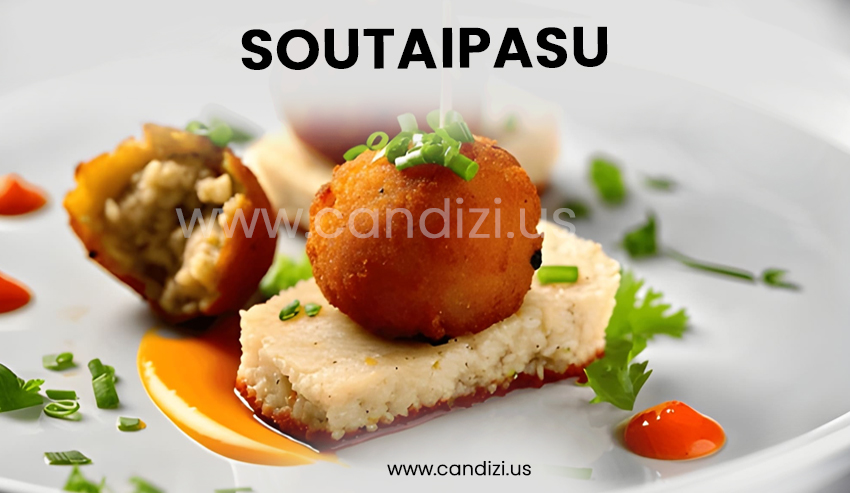
Soutaipasu is more than just a dish — it’s a cultural and emotional experience that blends flavor, heritage, and human connection into one. At its core, soutaipasu represents the meeting point of tradition and creativity, where food becomes a living story of identity and evolution. Often described as a fusion of taste, art, and philosophy, soutaipasu captures how people express who they are and where they come from through the act of cooking and sharing meals.
Unlike conventional recipes that are defined purely by ingredients, it is defined by meaning and context. It celebrates how flavors can speak the language of history and emotion, uniting generations at one table. Every preparation of soutaipasu tells a slightly different story — of migration, adaptation, and the universal human desire to connect through food.
In essence, soutaipasu embodies the belief that cuisine is a mirror of culture, reflecting both individual creativity and collective memory. It’s a dish that invites people to explore not only how food tastes but also what it represents: harmony, diversity, and the endless evolution of identity.
The Deeper Essence of Soutaipasu
At its heart, soutaipasu captures the delicate balance between simplicity and depth, between the comfort of the familiar and the excitement of discovery. Each bite carries a story — an echo of ancestry, a hint of innovation, and a celebration of unity in diversity. The essence of soutaipasu lies in its fusion nature. It merges influences from various culinary traditions without erasing their individual character. Instead of blending to the point of uniformity, it celebrates distinction. It allows different ingredients, textures, and flavors to complement one another while maintaining their integrity. This approach symbolizes more than just culinary mastery; it reflects a philosophy of coexistence. Just as spices in soutaipasu harmonize without overpowering each other, cultures can also interact, learn, and evolve without losing their authenticity. The making of soutaipasu is an act of mindfulness. Every movement — from selecting ingredients to arranging the final presentation — carries meaning. For many chefs, creating it is not merely about preparing food; it’s a ritual of gratitude, honoring the hands, traditions, and emotions that shaped it.Cultural Origins and Historical Roots of Soutaipasu
The origins of soutaipasu can be traced to the age-old human instinct to share and adapt. Food has always been a bridge between civilizations — traded, borrowed, and reimagined across borders. It was born from this spirit of exchange, representing centuries of cultural encounters and culinary innovation. In ancient times, communities across continents discovered that the blending of local produce with foreign spices created extraordinary flavors. Over generations, these early exchanges evolved into what we now recognize as soutaipasu — a culinary expression of connection and transformation. Historians view soutaipasu as more than a recipe; it is a living archive of humanity’s shared evolution. Each variation reflects the story of a region: its climate, its people, and the values that have endured through time. As societies changed through trade, migration, and storytelling, soutaipasu became a symbolic dish of adaptability. It absorbed the essence of new influences while holding onto its roots, embodying the resilience and creativity of its makers. In every version, there’s a dialogue between past and present — between what was inherited and what was imagined anew. Today, soutaipasu continues to evolve, reminding us that culture is never static. It flows like a river — enriched by every tradition it touches and reshaped by every hand that contributes to its creation.Soutaipasu as a Philosophy of Food and Identity
Beyond being a culinary creation, soutaipasu represents a way of thinking about food and life. It teaches that nourishment is not only physical but also emotional and cultural. When preparing soutaipasu, cooks practice patience, mindfulness, and gratitude — values deeply rooted in many cultural traditions. Every element, from ingredient selection to plating, reflects intention. In this sense, it becomes a form of self-expression, much like painting or music. The philosophy behind soutaipasu rests on the principle of balance — not just in taste but in spirit. It’s about finding harmony between the old and the new, the individual and the communal, and the local and the global. This belief extends beyond the kitchen, offering a timeless lesson about coexistence and respect for diversity. Modern chefs often describe soutaipasu as a culinary meditation — a way to connect with their heritage while exploring new possibilities. Each variation becomes a conversation between generations, where tradition inspires innovation, and innovation reaffirms tradition. Through this, it transforms from a simple dish into a philosophical reflection of human creativity — a living symbol of identity that evolves while staying rooted in meaning.The Aesthetic and Social Value of Soutaipasu
The appeal of soutaipasu goes far beyond taste. Its beauty lies equally in its visual presentation and the social experiences it creates. Each element — color, texture, aroma, and plating — is arranged with care to reflect balance and emotion. The visual harmony of soutaipasu mirrors the inner harmony it seeks to inspire. In many cultures, preparing and presenting soutaipasu is viewed as an art form, one that celebrates both craftsmanship and creativity. Socially, soutaipasu acts as a bridge between people. It brings families together, fosters friendships, and strengthens communities. During festivals and celebrations, it becomes more than food — it becomes a symbol of unity, gratitude, and joy. In modern times, artists, writers, and cultural thinkers have embraced soutaipasu as a metaphor for cultural synthesis and emotional connection. It has appeared in literature, films, and art exhibitions as a representation of harmony in diversity — showing that even in a fast-changing world, the human need for shared experience remains timeless. Whether served in a small village gathering or a high-end restaurant, it reminds us that beauty and meaning can coexist, and that the act of sharing food is one of humanity’s purest forms of communication.Modern Interpretations and Global Evolution of Soutaipasu
As culinary boundaries continue to fade in today’s interconnected world, soutaipasu has entered a new and exciting era of transformation. Modern chefs, home cooks, and even street food vendors have reimagined soutaipasu to reflect their regional tastes, lifestyles, and creative instincts. Yet, even with these reinventions, the dish’s core essence of balance and meaning remains untouched. In contemporary kitchens, it is often seen as a canvas for innovation. Chefs use it to tell new stories — blending local ingredients, seasonal produce, and global influences to create a dish that feels both familiar and surprising. This adaptability has allowed soutaipasu to thrive in diverse culinary scenes, from bustling Asian markets to high-end European dining halls. For instance, one modern variation may feature plant-based adaptations, using organic tofu, seaweed, or fermented grains to create the signature flavor depth of soutaipasu. Another might experiment with global spices — merging Japanese umami with Mediterranean herbs or Middle Eastern aromatics. These creative transformations not only make soutaipasu accessible to new audiences but also reaffirm its role as a living cultural expression that evolves with time. Interestingly, soutaipasu’s rise has also been fueled by the growing global movement toward mindful and sustainable eating. Its emphasis on freshness, minimal waste, and harmony with nature resonates with people who see food as a reflection of both health and ethics. This shift positions soutaipasu not just as a dish but as a symbol of conscious living — a culinary philosophy that values intention over indulgence. In today’s culinary world, soutaipasu has become a bridge between tradition and innovation, reminding us that respecting heritage does not mean resisting change. Instead, it encourages the idea that authenticity is born not from imitation but from meaningful adaptation.Soutaipasu in Global Cuisine and Cultural Exchange
The global spread of soutaipasu has turned it into a culinary ambassador for cultural dialogue. Whether served in Tokyo, Paris, Karachi, or New York, soutaipasu embodies the idea that food is a universal language — one that transcends geography, race, and belief. Across continents, restaurants and food enthusiasts have embraced soutaipasu as a celebration of diversity. Each region adapts it according to its own traditions, creating distinctive versions that still honor its symbolic roots. For example:- In East Asia, soutaipasu often incorporates fermented ingredients, representing depth and wisdom.
- In South Asia, it takes on vibrant spice profiles, symbolizing warmth, hospitality, and energy.
- In Western countries, soutaipasu is often reinterpreted through minimalist plating and global fusion concepts, emphasizing artistry and mindfulness.