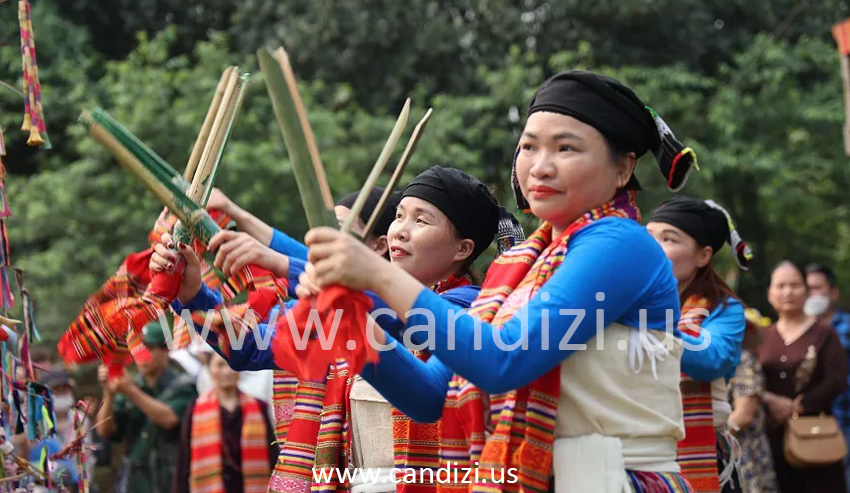
Đeman is a fascinating cultural phenomenon deeply rooted in tradition, representing a unique blend of rituals, beliefs, and community practices passed down through generations. At its core, đeman reflects how a community understands identity, morality, and shared values through symbolic actions and storytelling. Rather than being a single ritual or belief, đeman functions as a living tradition—one that adapts to time while preserving its essence. This adaptability is what keeps it relevant and meaningful even in modern contexts.
Across regions where the tradition is practiced or remembered, đeman plays a role in marking life events, strengthening communal bonds, and offering guidance during periods of transition. It is often expressed through ceremonies, oral narratives, music, and visual symbols that carry layered meanings. For outsiders, đeman may appear mysterious; for insiders, it is familiar, grounding, and deeply personal.
This article explores the origins, meanings, and modern interpretations of đeman in a clear, respectful, and human way. We’ll look at how it shapes identity, how it has evolved, and why it continues to matter today—without romanticizing or oversimplifying its cultural depth.
Historical Roots and Early Development
Every enduring tradition begins somewhere, and đeman is no exception. Its earliest roots are often traced to communal life where survival, cooperation, and shared belief systems were essential. In these contexts, rituals served not only spiritual purposes but also practical ones—organizing time, reinforcing social norms, and strengthening trust among members.
Early forms of đeman were typically oral and experiential. Knowledge was transmitted through elders, storytellers, and ritual leaders rather than written records. This made the tradition flexible and responsive to local conditions. Over time, as communities migrated or interacted with neighboring cultures, elements were adopted, adapted, or reinterpreted.
What’s important is not a single origin story but the continuity of purpose. From its earliest expressions, đeman provided a framework for understanding the world and one’s place within it. That sense of continuity explains why the tradition has endured despite social, political, and technological changes.
Symbolism and Meaning in Ritual Practice
Symbolism lies at the heart of most cultural traditions, and đeman is rich with layered meanings. Objects, gestures, colors, and sounds used during rituals often represent abstract ideas such as protection, transition, gratitude, or renewal. These symbols help translate complex beliefs into shared experiences.
Ritual practice is not about rigid repetition; it’s about intention. Participants understand that each action carries significance, even if interpretations vary slightly from family to family. This shared symbolic language allows individuals to feel connected to something larger than themselves.
Over time, symbols may evolve while retaining their core meanings. New materials replace old ones, and modern aesthetics influence presentation. Yet the underlying message remains recognizable, demonstrating how symbolism enables continuity without stagnation.
Community Bonds and Collective Identity
One of the most powerful aspects of đeman is its role in strengthening community bonds. Rituals are rarely solitary; they bring people together physically and emotionally. Preparation, participation, and reflection all foster cooperation and mutual respect.
These shared experiences reinforce a collective identity. Individuals see themselves not just as separate persons but as members of a living tradition. This sense of belonging is especially important during times of uncertainty or change, when communal rituals provide stability.
Community-centered traditions also serve as informal education systems. Younger generations learn values, responsibilities, and history through participation rather than instruction. In this way, đeman becomes both a social glue and a cultural classroom.
Oral Traditions and Storytelling
Storytelling is a key vehicle through which traditions survive, and đeman is deeply connected to oral narratives. Stories explain the origins of rituals, the meaning of symbols, and the consequences of moral choices. They transform abstract beliefs into memorable, relatable accounts.
These stories are often told during gatherings, ceremonies, or seasonal events. The act of telling is as important as the content; tone, rhythm, and audience interaction all shape understanding. Over time, stories may change slightly, reflecting new realities while preserving core lessons.
Oral tradition keeps culture alive in a way written texts sometimes cannot. It invites participation, encourages interpretation, and adapts naturally—qualities that have helped đeman remain vibrant across generations.
Music, Movement, and Expression
Music and movement often accompany cultural rituals, adding emotional depth and sensory richness. In traditions linked to đeman, rhythmic patterns, chants, or dances help synchronize participants and create a shared emotional state.
These expressive elements serve multiple purposes. They mark transitions within rituals, signal communal unity, and provide a release for emotion. Movement and sound also make rituals memorable, embedding meaning in the body as well as the mind.
Even as musical styles change over time, their function remains the same: to connect individuals to each other and to tradition. This embodied experience is one reason such practices leave lasting impressions.
Đeman in Seasonal and Life-Cycle Events
Đeman often appears most visibly during key moments in the yearly cycle or major life transitions. Seasonal observances may align rituals with agricultural rhythms, natural changes, or historical milestones. These events help communities stay attuned to both nature and shared memory.
Life-cycle rituals—such as coming-of-age moments, marriages, or commemorations—use tradition to provide structure and meaning. They acknowledge change while offering continuity, helping individuals move forward without losing connection to the past.
By marking time in this way, đeman integrates personal experience into collective history, reminding participants that their lives are part of an ongoing story.
Spiritual Beliefs and Worldview
Spirituality within đeman is often practical rather than abstract. Beliefs focus on balance, respect, and responsibility rather than rigid doctrine. Rituals are seen as ways to maintain harmony—within oneself, within the community, and with the wider world.
This worldview encourages mindfulness and intentional living. Actions have consequences, and rituals provide opportunities to reflect, correct, and renew. Rather than separating the sacred from the everyday, đeman weaves meaning into daily life.
Such an approach allows the tradition to coexist with different religious or philosophical systems, making it inclusive and adaptable.
Adaptation Through Social Change
No tradition survives unchanged, and adaptation is a sign of strength rather than weakness. As societies modernize, elements of đeman have been reinterpreted to fit new contexts. Urbanization, education, and technology influence how rituals are practiced and shared.
Some aspects become symbolic rather than literal, while others gain new forms of expression. What matters is intentional continuity—preserving values even as methods change.
This adaptability explains why the tradition remains relevant. By evolving thoughtfully, communities ensure that đeman speaks to contemporary lives without losing its roots.
Intergenerational Transmission
Passing tradition from one generation to the next is both a challenge and a responsibility. Elders play a crucial role as guides and storytellers, but younger members also contribute by asking questions and offering new perspectives.
Intergenerational dialogue keeps tradition dynamic. When younger participants understand not just how rituals are performed but why they matter, engagement deepens. This shared understanding prevents tradition from becoming empty routine.
Successful transmission depends on openness—respecting the past while allowing space for reinterpretation.
Đeman in Contemporary Culture
In modern settings, đeman may appear in festivals, cultural showcases, or educational programs. These platforms introduce tradition to wider audiences while reinforcing pride among practitioners. Care must be taken to avoid reducing complex practices to mere performance.
Contemporary expressions often emphasize values such as community, resilience, and identity—ideas that resonate widely. By framing tradition as living and relevant, communities keep it meaningful in a rapidly changing world.
Responsible representation ensures authenticity while inviting curiosity and respect.
Ethical Considerations and Respectful Practice
Cultural traditions carry ethical responsibilities. Practicing or presenting đeman requires respect for its origins and meanings. Appropriation or commercialization can strip rituals of context and significance.
Communities often establish guidelines to protect sacred elements and ensure consent. Respectful engagement means listening, learning, and acknowledging limits.
Ethical practice preserves integrity and builds trust—essential for the tradition’s future.
Educational and Cultural Preservation Efforts
Preservation does not mean freezing tradition in time. Educational initiatives aim to document, teach, and contextualize practices without undermining their living nature. Workshops, archives, and community programs play important roles.
Education also combats misunderstanding. By explaining symbolism and history, communities ensure that tradition is seen as meaningful rather than exotic.
Preservation efforts succeed when they involve practitioners themselves, prioritizing lived experience over external interpretation.
Global Awareness and Cultural Exchange
As the world becomes more connected, traditions like đeman gain global visibility. Cultural exchange can foster understanding, but it also requires care. Context matters, and respectful dialogue is essential.
When shared thoughtfully, tradition can inspire others while maintaining its integrity. Exchange becomes a two-way process—learning rather than borrowing.
Global awareness, handled responsibly, can strengthen rather than dilute cultural heritage.
The Future of Tradition in a Modern World
Looking ahead, the future of traditions depends on balance. Communities must navigate modern pressures while honoring ancestral knowledge. Technology can help document and share practices, but lived participation remains irreplaceable.
The resilience of traditions like đeman lies in their ability to adapt with intention. By focusing on core values—community, respect, and continuity—practitioners ensure relevance for generations to come.
The future is not about preservation alone, but meaningful evolution.
Conclusion
Đeman stands as a powerful example of how tradition can shape identity, strengthen community, and adapt across time. Rooted in ritual, symbolism, and shared values, it offers continuity in a changing world. By understanding its history, meanings, and modern expressions, we gain insight into the human need for connection and purpose. When practiced respectfully and thoughtfully, đeman remains not just a relic of the past, but a living, evolving tradition with enduring relevance.
Frequently Asked Questions FAQs
- What is đeman in simple terms?
It is a cultural tradition combining rituals, beliefs, and community practices passed down through generations. - Is đeman a religion?
No, it is a cultural phenomenon that may include spiritual elements but is not a formal religion. - How is tradition passed down?
Primarily through oral storytelling, ritual participation, and intergenerational teaching. - Does it still exist today?
Yes, it continues in both traditional and modern forms within communities. - Can outsiders participate?
Participation depends on community norms and should always be respectful and informed. - Has it changed over time?
Yes, adaptation has helped it remain relevant while preserving core values. - Why is symbolism important?
Symbols convey complex ideas in shared, meaningful ways. - How can it be preserved responsibly?
Through education, respectful practice, and community-led preservation efforts.
Don’t miss out on any news—keep in touch for real-time information, visit: Candizi.us