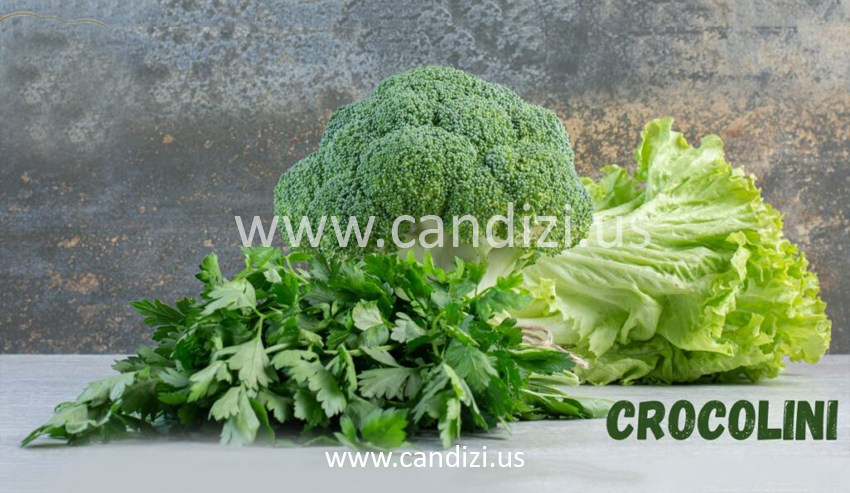
Crocolini is a modern hybrid green vegetable that naturally combines broccoli and kale to deliver the best qualities of both plants. It features long, slender, and tender stems, small broccoli-like florets, and soft leaves that you can eat entirely. Unlike many leafy greens that taste bitter or need long cooking times, crocolini offers a mild, slightly sweet flavor that appeals even to people who usually avoid green vegetables.
In addition to its pleasant taste, crocolini is valued for its convenience and nutritional density. It cooks quickly, retains its vibrant green color, and absorbs flavors well, making it a favorite in both home kitchens and professional restaurants. Rich in essential vitamins, minerals, and antioxidants, crocolini has gained popularity among health-conscious consumers, chefs, and anyone looking for a nutritious yet versatile vegetable to include in everyday meals.
Crocolini and Why It’s Gaining Popularity
Crocolini is gaining widespread popularity due to its unique balance of flavor, nutrition, and ease of preparation. As more people move toward healthier eating habits, vegetables that are both nutritious and enjoyable have become highly desirable. Crocolini meets this demand by offering a smooth texture and mild taste without the strong bitterness often associated with kale or the thick stems of traditional broccoli.
Another reason crocolini stands out is its versatility. It works equally well in simple home-cooked meals and refined restaurant dishes. Since almost the entire vegetable is edible, it also reduces food waste, which appeals to environmentally conscious consumers. These combined benefits have positioned crocolini as a modern staple in healthy and sustainable diets.
What Exactly Is Crocolini?
Crocolini is a naturally bred hybrid vegetable that combines the sturdy structure of broccoli with the rich nutritional qualities of kale. Growers develop crocolini through traditional plant-breeding methods rather than genetic modification, making it a clean and naturally produced food choice. The plant features thin, tender stems, small delicate florets, and soft leaves that work together as a fully edible vegetable.
Because of its tender structure, crocolini requires minimal preparation. There is no need to peel stems or remove tough parts, which saves time in the kitchen. Its balanced texture and flavor allow it to adapt to a wide range of cuisines, making crocolini an appealing option for both beginner cooks and experienced chefs
How Crocolini Differs from Broccoli and Kale
Although crocolini is related to broccoli and kale, it offers a noticeably different eating experience. Broccoli typically has thick stems and a firmer texture, while kale is leafy and often has a strong, earthy bitterness. Crocolini sits comfortably between the two, offering softer stems and a smoother taste profile.
The mild sweetness of crocolini makes it more approachable for people who dislike the sharp flavors of traditional greens. Its faster cooking time and tender bite also make it more practical for quick meals. These differences allow crocolini to stand on its own as a distinct and versatile vegetable rather than just a variation of broccoli or kale.
Nutritional Profile of Crocolini
Crocolini is a nutrient-rich vegetable that provides a wide range of essential vitamins and minerals while remaining low in calories. It contains significant amounts of vitamin C, which supports immune health, and vitamin K, which plays an important role in bone strength and blood clotting. Additionally, crocolini offers vitamin A, fiber, calcium, and iron, contributing to overall wellness.
The antioxidant compounds found in crocolini help protect the body from oxidative stress and support long-term health. Because it delivers high nutritional value without added fats or sugars, crocolini is an excellent choice for people seeking balanced and wholesome foods.
Health Benefits of Eating it
Regularly including crocolini in your diet may support multiple aspects of health. Its high fiber content promotes healthy digestion and helps maintain gut balance. The presence of antioxidants and vitamin C contributes to stronger immune defenses and may help reduce inflammation in the body.
Crocolini also supports bone health due to its vitamin K and calcium content, while its low calorie density makes it beneficial for weight management. By providing essential nutrients without excessive calories, crocolini fits well into a variety of health-focused eating plans.
Is Crocolini Suitable for Different Diets?
Crocolini is highly adaptable and suitable for many dietary lifestyles. It naturally fits into vegetarian and vegan diets, as well as gluten-free and low-carbohydrate eating plans. Its clean nutritional profile also makes it popular among individuals following whole-food or plant-forward diets.
Because crocolini is easy to digest and gentle in flavor, it can be enjoyed by people of all ages. Whether used as a main vegetable or a supporting ingredient, it integrates seamlessly into diverse meal plans.
Best Ways to Cook Crocolini
Crocolini is prized for its quick cooking time and ability to retain both texture and nutrients. It can be sautéed lightly for a crisp-tender finish, steamed to preserve vitamins, or roasted to enhance its natural sweetness. Grilling crocolini adds a subtle smoky flavor, while stir-frying makes it ideal for fast, flavorful meals.
No matter the method, crocolini responds well to simple seasonings and does not require complex preparation. This ease of cooking makes it an excellent choice for both busy households and professional kitchens.
Flavor Pairings That Work Well
The mild and slightly sweet flavor of crocolini allows it to pair well with a wide range of ingredients. Garlic, olive oil, lemon, and herbs enhance its natural taste without overpowering it. It also works well with cheeses, nuts, and light sauces, making it suitable for both simple and gourmet dishes.
Because crocolini absorbs flavors easily, it can be used in international cuisines, from Mediterranean-style meals to Asian-inspired stir-fries.
How to Store Crocolini Properly
Proper storage helps maintain the freshness and nutritional quality of crocolini. It should be kept unwashed in the refrigerator, preferably in a breathable bag or container. This prevents excess moisture while allowing air circulation, which helps preserve its crisp texture.
For best results, crocolini should be used within a few days of purchase. Fresh crocolini will maintain a vibrant green color and firm stems, ensuring optimal flavor and nutrient content.
Future Scope in the Modern Food World
The future of crocolini looks promising as global food trends continue to shift toward healthier, sustainable, and plant-based eating habits. With increasing awareness of nutrition and wellness, consumers are actively seeking vegetables that offer high nutrient value without compromising on taste. Crocolini fits perfectly into this demand by providing a mild flavor, fast cooking time, and strong nutritional profile, making it suitable for everyday meals across different cultures.
As agriculture continues to innovate, crocolini is expected to be grown more widely using sustainable farming practices, reducing environmental impact and food waste due to its fully edible structure. Its versatility also makes it appealing for use in ready-to-eat meals, plant-based products, and restaurant menus worldwide. With rising interest from health professionals, chefs, and environmentally conscious consumers, crocolini is likely to become a staple vegetable in the future global food system.
Conclusion
Crocolini stands out as a well-balanced and modern green vegetable that successfully combines strong nutritional value with an enjoyable eating experience. Its tender stems, delicate florets, and mild, slightly sweet flavor make it easy to incorporate into everyday meals without the bitterness or toughness often associated with traditional greens. Because the entire vegetable is edible and quick to cook, crocolini also adds convenience to busy lifestyles while reducing food waste.
By blending the best qualities of broccoli and kale, crocolini delivers essential vitamins, minerals, fiber, and antioxidants that support overall health, including immune function, digestion, and bone strength. Its versatility allows it to fit seamlessly into a wide range of cuisines and dietary patterns, from plant-based and gluten-free diets to balanced family meals. As awareness of healthy and sustainable eating continues to grow, crocolini has clearly earned its place as a valuable and forward-looking addition to modern, health-conscious diets.
Frequently Asked Questions
1. What is crocolini?
Crocolini is a naturally developed hybrid vegetable created by crossbreeding broccoli and kale. It features tender stems, small florets, and a mild, slightly sweet flavor that makes it easier to enjoy than many traditional green vegetables.
2. Is crocolini genetically modified?
No, crocolini is not genetically modified. It is produced using traditional plant-breeding methods rather than genetic engineering, making it a suitable choice for those who prefer naturally developed foods.
3. Can you eat the entire crocolini plant?
Yes, crocolini is fully edible from stem to floret. The stems are soft and do not require peeling, while the leaves and florets cook evenly, reducing food waste and preparation time.
4. Is crocolini healthy?
Crocolini is rich in essential nutrients, including vitamins C, A, and K, fiber, and antioxidants. These nutrients support immune function, digestion, bone health, and overall wellness while being low in calories.
5. How should crocolini be cooked?
Crocolini can be sautéed, steamed, roasted, grilled, or stir-fried. Because it cooks quickly, light cooking is recommended to preserve its nutrients, texture, and bright green color.
Don’t miss out on any news—keep in touch for real-time information, visit: Candizi.us