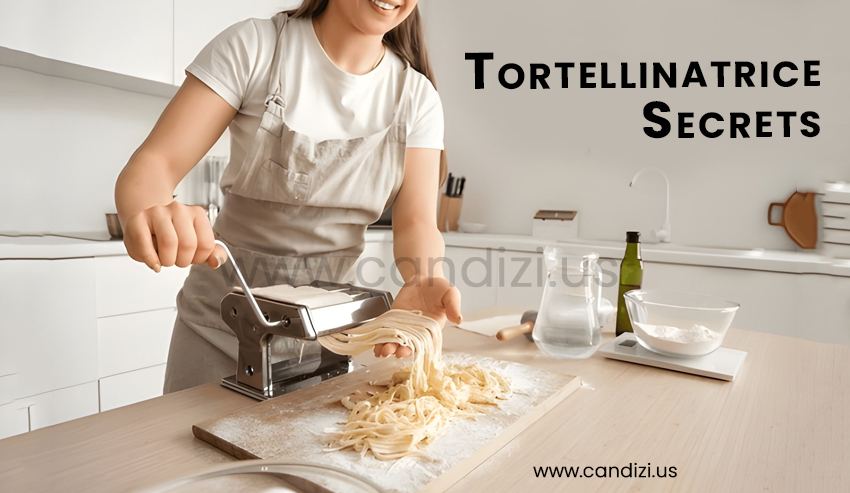
The tortellinatrice is more than just a pasta-making device—it is a culinary innovation that transforms how tortellini is produced. Designed to combine the tradition of handmade pasta with modern efficiency, this specialized machine automates the laborious process of creating stuffed pasta. From rolling dough to sealing fillings and shaping perfect rings, the tortellinatrice streamlines every step while preserving authentic Italian taste.
Whether in a professional kitchen or a home setting, the tortellinatrice ensures consistency, speed, and quality. Chefs and cooking enthusiasts alike can produce uniform tortellini, experiment with diverse fillings, and deliver perfectly cooked pasta in minutes. By bridging tradition with technology, the tortellinatrice empowers culinary creativity while honoring centuries of Italian heritage.
What is a Tortellinatrice?
A tortellinatrice is a specialized pasta maker designed specifically for producing tortellini and other stuffed pasta varieties. Unlike conventional pasta rollers or cutters, this machine is purpose-built to handle the intricate process of filling, shaping, and sealing delicate pasta pockets.
Key features of a tortellinatrice include:
-
Dough Rolling: Thin, uniform sheets of pasta ensure consistent cooking and texture.
-
Filling Portioning: Accurate placement prevents leakage and guarantees uniform flavor in each piece.
-
Shaping and Sealing: Creates the iconic ring shape of tortellini while securing the filling.
-
Adjustable Settings: Allows customization for thickness, size, and filling quantity.
-
Ease of Use: Perfect for both novices and professional chefs seeking efficiency and precision.
By automating repetitive tasks, the tortellinatrice transforms a traditionally labor-intensive art into a manageable, enjoyable process.
The History and Evolution of Tortellini
Origins of Tortellini
Tortellini, known as “little rings,” originate from Italy’s Emilia-Romagna region, particularly Bologna and Modena. Culinary folklore suggests the shape was inspired by a woman’s navel—a charming nod to Italian creativity. For centuries, tortellini-making was a laborious craft performed by skilled artisans and families, preserving recipes across generations.
This pasta became a symbol of Italian heritage and regional pride, with each family recipe adding its unique touch. Over time, the tradition evolved, but the dedication to quality ingredients and precise techniques remained intact.
From Handmade Art to the Tortellinatrice
Historically, crafting tortellini required meticulous attention, with dough rolled by hand and fillings carefully folded and sealed. The invention of the tortellinatrice revolutionized this process, offering a machine that could reproduce the delicate shapes, consistent sizes, and perfect seals of handcrafted pasta while significantly reducing production time.
By merging tradition with modern engineering, the tortellinatrice preserves the authenticity of Italian pasta-making while accommodating contemporary needs for speed and scalability.
How the Tortellinatrice Works
The tortellinatrice combines multiple functions into a seamless, automated workflow.
-
Dough Preparation and Rolling
The pasta dough, prepared with premium flour and fresh eggs, is rolled into uniform sheets by the machine. Precision rollers ensure consistent thickness, vital for even cooking and optimal texture. -
Filling Placement
The machine deposits measured fillings, from ricotta and spinach to prosciutto or innovative blends, guaranteeing each tortellini contains the ideal portion. -
Shaping and Sealing
Using molds and rollers, the tortellinatrice folds and seals the dough around the filling, forming traditional ring-shaped pasta. Accurate sealing prevents leaks during cooking. -
Cutting and Ejection
Finally, the machine cuts and ejects the tortellini onto trays or pans, maintaining their shape and structure. Each piece is ready for cooking, freezing, or packaging.
This automation ensures every batch is identical in size, shape, and quality, making it invaluable for restaurants, catering services, and home cooks alike.
Benefits of Using a Tortellinatrice
Time Efficiency and Consistency
One of the primary advantages of the tortellinatrice is its ability to save time. Manual tortellini-making can take hours, but the machine reduces production to mere minutes. Each piece is uniform, ensuring even cooking, perfect presentation, and balanced flavors.
Versatility and Creativity
The adjustable settings of the tortellinatrice allow users to experiment with thickness, size, and fillings. From traditional cheese and meat blends to gourmet innovations like truffle butter or pumpkin, the machine accommodates a wide variety of recipes, empowering culinary creativity.
Ease of Use
Even beginners can create professional-quality pasta thanks to the user-friendly design of the tortellinatrice. With simple operation and clear instructions, anyone can produce consistent results without specialized training.
Reduced Waste and Labor
Accurate portioning minimizes dough and filling waste, while automation reduces the physical effort required in folding, shaping, and sealing. Kitchens benefit from efficiency, fewer errors, and higher output.
Durability and Investment Value
Constructed with high-quality materials, the tortellinatrice offers long-term reliability. For professional kitchens, investing in a machine ensures consistent results, higher productivity, and satisfied customers.
Types of Tortellinatrice Machines
The tortellinatrice comes in several types, each designed to suit different cooking needs, kitchen sizes, and production goals. Understanding the differences can help both home cooks and professionals select the right machine for their needs.
Manual Tortellinatrice Models
Manual tortellinatrice machines are ideal for home kitchens or boutique culinary setups. These devices give users full hands-on control, allowing for a more personal touch in pasta-making.
-
Benefits: Portable and lightweight, making them easy to store and move around.
-
Ease of Use: Simple mechanics mean minimal technical knowledge is required.
-
Cleaning: Fewer parts make maintenance straightforward.
These models are perfect for small batches, giving home cooks the ability to experiment with fillings and pasta shapes while still producing high-quality tortellini.
Semi-Automatic Tortellinatrice Machines
Semi-automatic machines strike a balance between manual craftsmanship and modern efficiency. They handle some of the more repetitive tasks, such as filling and shaping, while still allowing chefs to intervene manually for customization.
-
Who It’s For: Mid-sized restaurants, catering services, and serious home chefs.
-
Advantages: Reduces labor, increases speed, and ensures consistent results.
-
Customization: Users can adjust settings for thickness, portion size, and pasta shape.
Semi-automatic models are great for kitchens that need higher output without losing the artisanal quality that makes tortellini special.
Fully Automatic Tortellinatrice Systems
For professional kitchens or pasta factories, fully automatic tortellinatrice machines provide a high-volume solution. These machines can handle every step of the process, from rolling the dough to filling, shaping, sealing, and cutting the pasta.
-
Benefits: Maximum efficiency, consistent quality, and minimal manual intervention.
-
Volume: Perfect for restaurants, culinary schools, and industrial production lines.
-
Quality Assurance: Each piece of tortellini is uniform in size, shape, and texture.
Fully automatic systems are a game-changer for large-scale operations that need to maintain speed while ensuring authentic Italian pasta quality.
Using a Tortellinatrice at Home
Home cooks can transform their kitchens into authentic Italian pasta workshops with a tortellinatrice. This machine takes the stress out of pasta-making and makes it a fun, creative experience.
-
Prepare the Dough: Start with fresh pasta dough made from high-quality flour and eggs for the best texture.
-
Load the Machine: Insert the dough sheets into the tortellinatrice, selecting the thickness and size preferences.
-
Fill and Shape: Add your favorite fillings—cheese, spinach, mushrooms, or seasonal vegetables—and let the machine shape perfect tortellini in minutes.
-
Cook or Store: Fresh tortellini is ready to boil immediately, or you can freeze batches for later use.
Using a tortellinatrice at home allows cooks to experiment with unique flavors and fillings, creating custom pasta that rivals restaurant quality. Small batches ensure freshness and the satisfaction of making authentic Italian dishes without the hassle of hand-folding every piece.
Professional Use in Restaurants and Culinary Schools
In professional kitchens, a tortellinatrice is far more than a convenient tool—it has become an indispensable part of modern pasta production. Beyond simplifying the labor-intensive task of making tortellini, it significantly enhances efficiency, ensures consistent results, and allows chefs to unleash their creativity.
High-Volume Production
Restaurants and catering businesses face the constant challenge of producing large quantities of pasta without compromising on quality. The tortellinatrice addresses this by streamlining the rolling, filling, and shaping processes. This means kitchens can serve fresh, high-quality tortellini to hundreds of customers daily, all while maintaining the taste and texture expected from traditional Italian cuisine.
Consistent Results
One of the standout benefits of using a tortellinatrice is uniformity. Each piece of tortellini comes out evenly sized and properly sealed, which ensures consistent cooking and an attractive presentation. For professional chefs, this level of precision is essential, particularly in fine dining establishments where presentation is just as important as flavor.
Time-Saving Efficiency
Manual pasta-making can be incredibly time-consuming, especially in busy kitchens. With a tortellinatrice, chefs can redirect their energy toward plating, designing innovative fillings, or experimenting with flavors while the machine efficiently handles repetitive tasks. This combination of speed and quality makes it a game-changer for any professional kitchen.
Culinary Schools and Education
Culinary schools have also recognized the value of integrating tortellinatrice machines into their curriculum. Students benefit by learning both traditional pasta-making techniques and modern automation. Hands-on experience with this equipment prepares aspiring chefs to balance authenticity with efficiency—a skill crucial for success in professional kitchens worldwide.
By familiarizing students with advanced tools like the tortellinatrice, schools ensure that the next generation of chefs can innovate while respecting culinary heritage.
Maintenance and Cleaning Tips for Your Tortellinatrice
Keeping a tortellinatrice in peak condition is essential for long-lasting performance and consistently high-quality pasta. Proper maintenance not only preserves the machine but also ensures safe and hygienic food preparation.
Daily Cleaning
After each use, it’s important to remove any leftover dough or flour. Wiping down the machine immediately prevents buildup, which can affect performance over time.
Thorough Disassembly
Most tortellinatrice machines come with removable parts. Disassembling these components for cleaning with warm, soapy water ensures that hidden dough residues are fully removed.
Avoid Abrasives
Harsh scrubbing pads or chemical cleaners can damage the surfaces of the machine. Stick to gentle brushes and cloths to protect the finish and maintain longevity.
Drying and Storage
All parts should be completely dry before reassembling to prevent rust or mold growth. Store the machine in a cool, dry location to extend its lifespan and maintain consistent pasta quality.
Regular maintenance not only keeps the tortellinatrice functional but also helps guarantee hygiene, making every batch of pasta safe and delicious.
Recipes and Creative Uses with a Tortellinatrice
The tortellinatrice opens endless culinary possibilities, whether for home cooks or professional chefs. Its versatility allows for experimenting with flavors, shapes, and textures while ensuring uniform results every time.
Classic Cheese and Prosciutto Tortellini
This timeless favorite combines creamy cheese with savory prosciutto. Perfect for traditional Italian meals, it showcases the machine’s ability to create perfectly uniform stuffed pasta quickly.
Spinach and Ricotta
For vegetarian enthusiasts, the combination of spinach and ricotta creates a fresh and flavorful option. The tortellinatrice ensures that each tortellini is evenly filled and beautifully sealed.
Pumpkin and Sage
A seasonal twist ideal for autumn, pumpkin and sage tortellini highlights how the machine can handle unique fillings while maintaining consistent size and shape.
Truffle Butter Tortellini
For gourmet dining experiences, truffle butter tortellini delivers a luxurious flavor that pairs well with fine sauces. The precision of the tortellinatrice makes these intricate creations simple to produce.
Beyond Tortellini: Ravioli and Gnocchi
The versatility of a tortellinatrice extends beyond traditional tortellini. Chefs can explore ravioli with inventive fillings or soft gnocchi, expanding their culinary repertoire while keeping presentation and consistency flawless.
With a tortellinatrice, experimenting in the kitchen becomes less intimidating, encouraging creativity without sacrificing quality or efficiency.
Economic and Culinary Impact of the Tortellinatrice
The influence of the tortellinatrice extends beyond individual kitchens, shaping culinary trends and economic opportunities.
Empowering Small Producers
Artisanal pasta makers can now compete with larger commercial brands thanks to the efficiency of the tortellinatrice. Small businesses can maintain the authenticity of their products while producing at a scale previously unattainable.
Boosting Efficiency
Automation reduces manual labor, enabling higher output without compromising quality. This efficiency allows businesses to meet growing demand and scale operations effectively.
Preserving Tradition
While modern technology supports production, it does not replace traditional techniques. The tortellinatrice allows chefs and producers to honor Italian culinary heritage while embracing innovation.
Elevating Standards
Consistency in pasta size, shape, and texture raises overall expectations for quality. Whether in restaurants, markets, or homes, consumers benefit from reliably excellent pasta every time.
By combining heritage with modern technology, the tortellinatrice enhances culinary artistry while contributing to economic growth within the food industry.
How a Tortellinatrice Stands Out from Other Pasta Makers
| Type of Pasta Maker | Key Features & Limitations | Why the Tortellinatrice Excels |
|---|---|---|
| Traditional Pasta Rollers | Rolls dough into thin sheets for pasta like fettuccine, tagliatelle, or lasagna. | Tortellinatrice automates filling, shaping, and sealing, saving time and effort. |
| Electric Pasta Machines | Speeds up rolling and cutting; limited to flat or ribbon pasta. | Specifically designed for stuffed pasta, ensuring uniform tortellini with perfect seals. |
| Manual Stuffed Pasta Tools | Hand-crimpers or ravioli molds; labor-intensive and slow, risk of inconsistencies. | Automates repetitive tasks while preserving authentic handmade quality and reducing hand strain. |
| Semi-Automatic Machines | Some automation for rolling or cutting; settings may be generic and limited for stuffed pasta. | Tortellinatrice allows precise control over dough thickness, filling portion, and pasta shape. |
| Fully Automatic Machines | High-volume production; may not handle delicate tortellini shapes accurately. | Purpose-built for tortellini with adjustable settings and consistent, professional results. |
Choosing the Right Tortellinatrice
Selecting the ideal tortellinatrice requires careful consideration of your cooking needs and production goals.
Assess Volume Requirements
Consider whether you are producing for home use, a small catering business, or industrial-level production. The machine’s size and capacity should match your needs to avoid inefficiency.
Consider Dough and Filling Preferences
Some models perform better with thick dough or dense fillings. Choose a tortellinatrice that accommodates your favorite recipes and ingredient types.
Look for Adjustable Settings
Machines with customizable thickness and portion controls provide flexibility and allow for experimentation with different pasta styles.
Evaluate Durability and Materials
A well-constructed machine made of durable materials ensures long-term reliability, especially in professional environments.
Check Service and Parts Availability
Ensure that replacement parts and technical support are accessible. Reliable customer service extends the machine’s lifespan and keeps your pasta production running smoothly.
Choosing the right tortellinatrice guarantees years of consistent, high-quality pasta, whether in a home kitchen or a professional culinary setting.
Conclusion
The tortellinatrice is more than just a kitchen appliance—it is a revolutionary tool that bridges tradition and modern efficiency in pasta-making. Whether for home cooks seeking the joy of crafting fresh tortellini or professional chefs managing high-volume production, this machine delivers consistency, precision, and creativity. From manual, semi-automatic, to fully automated models, there is a tortellinatrice suited for every kitchen, allowing users to experiment with flavors, shapes, and fillings while preserving the authentic taste of Italian cuisine.
By investing in the right tortellinatrice and following proper maintenance and cleaning practices, pasta enthusiasts can enjoy years of reliable performance, streamlined workflows, and culinary excellence. Beyond convenience, it empowers chefs and home cooks alike to explore their creativity, preserve traditional techniques, and elevate every meal. Truly, the tortellinatrice transforms the art of making tortellini into a delightful, efficient, and delicious experience.
Be the first to know! Stay tuned for fresh updates and timely notifications. Candizi!