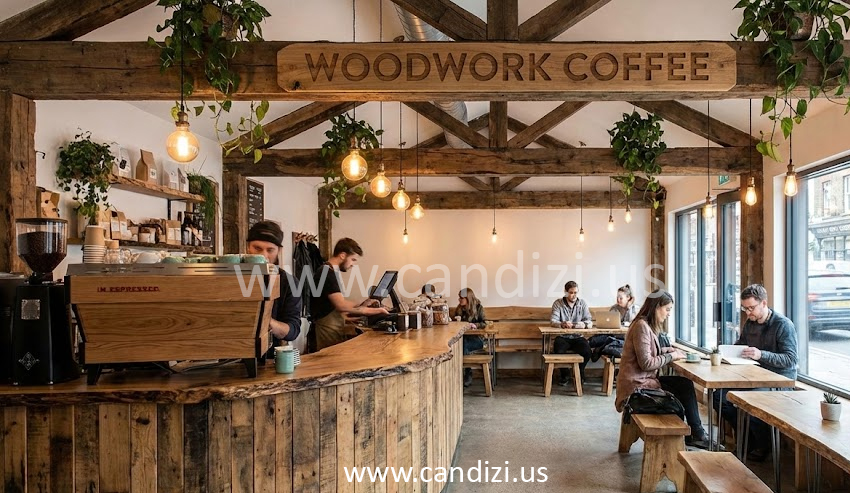
Woodwork coffee is a creative concept that blends the warmth of handcrafted wood design with the rich culture of specialty coffee. It refers to cafés, home setups, or experiences where artisanal woodworking—such as custom tables, coffee bars, shelves, and tools—plays a central role in how coffee is brewed, served, and enjoyed. In simple terms, woodwork coffee is about pairing beautifully made wooden elements with high-quality coffee, creating a space that feels authentic, cozy, and thoughtfully designed.
Over the last few years, coffee lovers have started to value not just taste, but also atmosphere, craftsmanship, and story. That’s where this concept shines. From minimalist cafés with solid oak counters to home baristas building their own wooden espresso stations, woodwork coffee represents a lifestyle that values patience, skill, and sensory experience. It appeals equally to coffee enthusiasts, interior design lovers, and DIY creators.
This article explores the full world of woodwork coffee—from its origins and design philosophy to café culture, DIY projects, tools, sustainability, and future trends. Whether you’re planning to open a café, upgrade your home coffee corner, or simply appreciate fine craftsmanship, this guide will give you deep, practical, and human insights grounded in real experience.
The Origins of Coffee and Craftsmanship
Coffee and craftsmanship have always shared a deep connection. Historically, coffeehouses were places of intellectual exchange, creativity, and skilled labor. Furniture was handcrafted, counters were built from solid wood, and every detail reflected care and intention. Long before industrial furniture, woodworkers shaped stools, tables, and cabinets specifically for coffee spaces.
As modern coffee culture evolved, efficiency replaced artistry. Plastic, metal, and mass-produced furniture became common. However, the third-wave coffee movement reversed this trend. Specialty coffee brought back the focus on process, origin, and human skill, which naturally aligned with woodworking traditions.
This revival wasn’t accidental. Both coffee roasting and woodworking require patience, precision, and respect for raw materials. Just as a woodworker understands grain and texture, a barista understands beans and extraction. The fusion of these two crafts feels natural because they share the same philosophy: slow down, do it right, and create something meaningful.
Why Wood Creates the Perfect Coffee Atmosphere
Wood has a psychological impact that few materials can match. It brings warmth, calmness, and authenticity—qualities people naturally associate with comfort and relaxation. When used in coffee spaces, wood softens the environment and makes it inviting rather than commercial.
Unlike steel or glass, wood ages gracefully. Scratches, marks, and color changes tell a story over time. In coffee shops, this aligns perfectly with daily rituals and repeat visitors. Customers don’t just drink coffee; they form emotional connections with spaces.
From a sensory perspective, wood also absorbs sound better than hard industrial surfaces, making cafés quieter and more intimate. The smell of wood combined with freshly brewed coffee creates a multi-sensory experience that feels grounded and human. This is why handcrafted wooden interiors continue to outperform sterile, modern designs in customer satisfaction and brand loyalty.
Woodwork Coffee as a Café Design Philosophy
Woodwork coffee is not just décor—it’s a design mindset. Cafés adopting this approach treat wood as a functional and aesthetic backbone rather than a decorative afterthought. Counters are built for workflow, shelves are designed for accessibility, and seating is made for comfort.
This philosophy values local artisans and custom builds over imported, mass-produced furniture. Every piece is intentional: coffee bars designed to hide cables, wooden brew stations shaped for ergonomic movement, and tables sized specifically for laptops or conversations.
The result is a space that feels curated rather than copied. Customers can sense authenticity instantly, which is crucial in a competitive coffee market. A well-executed woodwork coffee café often becomes a community landmark rather than just another place to grab a drink.
Essential Wooden Elements in Coffee Spaces
Certain wooden features consistently define successful coffee environments. The most important is the coffee counter, often made from hardwood like oak, walnut, or maple. It becomes the visual anchor of the café.
Next are tables and seating, which balance durability with comfort. Solid wood chairs, benches, or stools feel sturdy and trustworthy. Wall-mounted wooden shelves display cups, beans, and brewing tools, blending storage with storytelling.
Smaller details matter too: wooden menu boards, tray holders, stir sticks, and even napkin stands. These elements reinforce consistency and craftsmanship. When every touchpoint reflects woodwork, the experience feels cohesive and intentional.
Home Brewing Meets Handcrafted Design
You don’t need a café to embrace this concept. Many coffee lovers are bringing woodworking into their homes through custom coffee stations. A small wooden brew bar in the kitchen or living room transforms daily coffee into a personal ritual.
Home woodwork projects range from simple shelves to full espresso carts with storage for grinders, cups, and accessories. The beauty lies in customization—you design around your habits, space, and equipment.
This approach also encourages mindful consumption. When you invest time in building your setup, you naturally value quality over quantity. Brewing coffee becomes less rushed and more enjoyable, turning an everyday habit into a meaningful routine.
DIY Projects Inspired by Wood and Coffee Culture
DIY culture plays a major role in this movement. Many enthusiasts build their own coffee accessories such as tamping stations, knock boxes, cup racks, and pour-over stands. These projects are beginner-friendly and deeply satisfying.
The appeal of DIY lies in control and creativity. You choose the wood type, finish, and dimensions. You can match your existing décor or create a unique statement piece. Even mistakes become part of the story.
Online communities, tutorials, and maker spaces have made it easier than ever to get started. For many people, woodworking becomes an extension of their love for coffee—a hands-on way to engage with the craft beyond brewing.
Tools Every Woodwork Coffee Enthusiast Should Know
Working with wood doesn’t require a full workshop. Basic tools can handle most coffee-related projects. A measuring tape, hand saw, drill, clamps, and sandpaper form the foundation.
For more advanced builds, power tools like circular saws, jigsaws, and routers offer precision and efficiency. Finishing tools—such as brushes, oils, and sealants—are equally important to protect wood from moisture and heat.
Understanding tools builds confidence. Just like learning brewing techniques improves coffee, mastering woodworking tools enhances results. Safety, patience, and practice are key principles shared by both crafts.
Sustainable Wood Choices in Coffee Design
Sustainability is a growing concern in both coffee and woodworking industries. Ethically sourced wood reduces environmental impact and supports responsible forestry. Reclaimed wood is especially popular, offering character while minimizing waste.
Many cafés now use recycled timber from old buildings or furniture. This not only lowers costs but adds unique textures and stories. Each knot and imperfection becomes part of the design narrative.
Finishes matter too. Natural oils and low-VOC sealants protect wood without harmful chemicals. When sustainability is prioritized, woodwork coffee becomes not just beautiful, but ethically meaningful.
How Wood Influences Customer Experience
Customers may not consciously analyze furniture, but they feel it. Wood creates emotional comfort, encouraging people to stay longer and return more often. This directly impacts business success.
Studies in environmental psychology show that natural materials reduce stress and improve mood. In a coffee setting, this translates into positive associations with the brand. People remember how a place made them feel more than how it looked.
Wood also photographs well, making cafés more shareable on social media. This organic marketing effect has helped many coffee spaces grow without heavy advertising.
Woodwork Coffee in Branding and Identity
Woodwork coffee plays a powerful role in branding because it communicates values instantly. It signals authenticity, craftsmanship, and attention to detail—qualities modern consumers trust.
Logos, packaging, and even cup sleeves often incorporate wood textures or imagery. This consistency strengthens brand recognition. When physical space and visual identity align, the brand feels honest and coherent.
For startups, this approach helps differentiate in crowded markets. Rather than competing on price, they compete on experience and story—both reinforced by woodwork.
Regional Styles and Cultural Influence
Different cultures express woodworking and coffee in unique ways. Scandinavian designs favor light woods and minimalism, while Japanese styles emphasize precision and balance. Mediterranean spaces often use darker, rustic woods.
These regional influences shape how coffee spaces feel and function. Understanding them helps designers create environments that respect tradition while remaining modern.
This diversity keeps the movement dynamic. There is no single “correct” style—only thoughtful integration of local culture, materials, and coffee traditions.
Challenges in Maintaining Wooden Coffee Spaces
Wood requires care. Spills, heat, and humidity can damage untreated surfaces. Regular maintenance is essential to preserve beauty and functionality.
Sealing surfaces properly and cleaning them gently extends lifespan. Staff training in cafés ensures daily habits don’t cause long-term damage.
While maintenance adds responsibility, many owners see it as worthwhile. The warmth and character wood provides far outweigh the effort required to maintain it.
The Future of Coffee Spaces and Craft Design
As people seek slower, more meaningful experiences, the demand for handcrafted environments will continue to grow. Technology may evolve, but the desire for human touch remains constant.
Future coffee spaces will likely blend smart tools with traditional materials—digital menus on wooden frames, automated machines housed in handcrafted counters.
This balance between innovation and tradition defines the next chapter of coffee culture, where craft and technology coexist rather than compete.
Why Woodwork Coffee Is More Than a Trend
Trends fade, but values endure. Woodwork coffee reflects deeper shifts toward sustainability, craftsmanship, and mindful living. It resonates because it feels real.
People crave authenticity in an increasingly digital world. Handcrafted spaces remind us of human effort, time, and care—qualities that cannot be automated.
That’s why this concept continues to grow, not as a fad, but as a long-term evolution of how we experience coffee.
Conclusion
Woodwork coffee represents a thoughtful fusion of two timeless crafts: woodworking and coffee making. It’s about more than aesthetics—it’s about experience, authenticity, and human connection. From cafés and home setups to DIY projects and sustainable design, this concept transforms how we interact with everyday coffee. As people continue to value quality over convenience, woodwork coffee stands as a lasting symbol of craftsmanship, warmth, and intentional living. Whether you’re a barista, designer, or coffee lover, embracing this approach adds depth and meaning to every cup.
Frequently Asked Questions (FAQs)
-
What does woodwork coffee mean?
It refers to coffee experiences that integrate handcrafted wooden design with specialty coffee culture. -
Is wood safe to use in coffee shops?
Yes, when properly sealed and maintained, wood is durable and hygienic for coffee environments. -
Can beginners try woodwork coffee DIY projects?
Absolutely. Many projects, such as shelves and tamping stations, are beginner-friendly. -
What type of wood is best for coffee furniture?
Hardwoods like oak, walnut, and maple are popular due to their durability and attractive appearance. -
Is reclaimed wood suitable for coffee spaces?
Yes, reclaimed wood is sustainable and adds unique character and warmth to coffee spaces. -
Does wood affect coffee taste?
No, wood does not affect taste, but it enhances the overall sensory and visual experience. -
Is woodwork coffee expensive?
Costs vary, but using DIY methods and reclaimed materials can make it affordable.
Don’t miss out on any news—keep in touch for real-time information, visit: Candizi.us