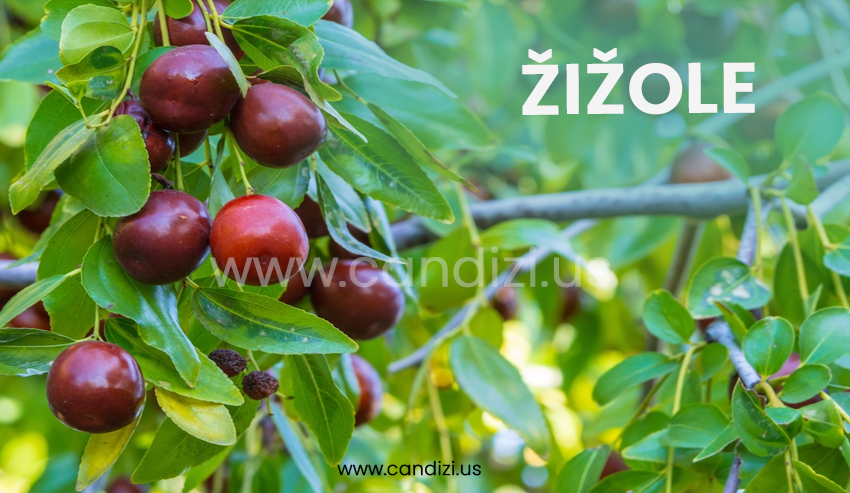
Žižole represents a traditional culinary concept that reflects local heritage, natural ingredients, and long-standing food practices. Communities developed žižole through everyday cooking, using what nature provided each season. Families relied on fresh herbs, vegetables, and simple methods to create balanced meals. Over time, žižole became a symbol of comfort, identity, and shared culture. Today, people rediscover žižole as they seek authentic, wholesome food experiences. This guide explains what žižole is, where it comes from, and why it still matters. Readers will gain a clear and practical understanding of this traditional food concept.
What Is Žižole? A Clear Explanation
People understand žižole as a traditional way of preparing food rather than a single fixed recipe. Local cooks created it by combining fresh ingredients with simple techniques. Communities shaped žižole according to climate, agriculture, and seasonal availability. This approach allowed families to cook nourishing meals without relying on complex processes. Žižole values balance, freshness, and flavor harmony. Because each region adapts it slightly, žižole remains flexible and enduring. This adaptability explains its lasting relevance.
Žižole refers to a culinary tradition rooted in everyday life and local knowledge. It emphasizes natural flavors and mindful preparation. Cooks focus on quality ingredients instead of heavy seasoning. Families often personalize žižole recipes and pass them down through generations. This personal connection gives žižole emotional depth. At its core, žižole connects food with culture and care. That connection defines its identity.
The Historical Origins of it
Rural communities shaped the origins of žižole through self-sufficient living. People cooked with ingredients they grew, gathered, or preserved themselves. This lifestyle encouraged simplicity and creativity in the kitchen. Over generations, families refined žižole through experience rather than written recipes. Each generation added small changes while respecting tradition. These practices helped žižole survive social and environmental change. Its history reflects resilience and cultural continuity.
As societies evolved, cooks adapted žižole to new conditions. They introduced new vegetables and herbs while maintaining traditional techniques. Regional influences shaped flavor profiles and ingredient choices. Despite these changes, people preserved the core philosophy of simplicity. Žižole continued to reflect local identity and seasonal awareness. This balance between change and tradition allowed it to endure. Today, it connects the past with modern food culture.
Traditional Ingredients Used in Žižole
Žižole relies on thoughtful ingredient selection rather than abundance. Cooks choose seasonal vegetables to ensure freshness and flavor. Fresh herbs play a central role and define the dish’s aroma. Natural oils add richness without heaviness. Simple seasonings enhance taste without overpowering ingredients. This careful selection supports both nutrition and flavor. Ingredient quality remains essential to authentic žižole.
Common ingredients include dill, parsley, and other local herbs. Vegetables form the foundation of the dish. In some regions, cooks add grains or legumes for texture and nourishment. Salt and mild spices bring balance rather than dominance. Each component supports the others. Together, they create a light yet satisfying result. This harmony defines žižole.
The Importance of Herbs in Žižole
Herbs give žižole its character and freshness. Local landscapes influence which herbs cooks choose. These herbs add fragrance, color, and natural complexity. They also support digestion and overall wellness. Seasonal harvesting strengthens the connection between food and the environment. Cooks treat herbs with care to preserve their aroma. Without herbs, žižole would lose its identity.
Dill and parsley appear most often in žižole recipes. Some regions include wild greens or native herbs. Cooks usually add herbs near the end of cooking. This timing protects flavor and color. Herbs brighten the dish rather than overwhelm it. Their subtle role defines žižole’s refreshing quality. This technique distinguishes it from heavier traditional meals.
How Žižole Is Traditionally Prepared
Traditional preparation emphasizes patience and attention. Cooks wash and prepare ingredients by hand. They use gentle heat to protect texture and nutrients. Slow cooking allows flavors to develop naturally. People avoid excessive stirring or overcooking. This approach turns cooking into a mindful process. Žižole reflects care at every step.
Families pass down techniques through observation and practice. Cooks rely on timing and intuition rather than strict measurements. They add herbs carefully to preserve aroma. Minimal seasoning keeps flavors clean and balanced. These techniques shape the final taste. Each generation learns through experience. This process keeps tradition alive.
Cultural Significance of it
Žižole holds meaning beyond nourishment. Families associate it with togetherness and hospitality. People often prepare it for shared meals and gatherings. Cooking žižole strengthens family bonds. It also preserves cultural identity through food. Many associate its flavors with home and memory. This emotional value makes it culturally significant.
Serving žižole shows care and generosity. Hosts use it to welcome guests warmly. Families share stories while preparing it together. These moments create lasting memories. Žižole connects generations through shared experience. It represents continuity and belonging. This symbolism gives it lasting importance.
Žižole in Modern Cuisine
Modern chefs and home cooks are rediscovering žižole. Its simplicity aligns with contemporary interest in clean eating. It adapts easily to vegetarian and plant-based diets. Restaurants reinterpret it while honoring its roots. This balance between tradition and innovation keeps žižole relevant. It proves that traditional food can fit modern lifestyles. Žižole continues to evolve without losing identity.
People today value authenticity, sustainability, and storytelling in food. Žižole naturally embodies these values. It supports local sourcing and seasonal cooking. It avoids excessive processing. These qualities make it appealing to modern audiences. Žižole feels both timeless and current.
Don’t miss out on any news—keep in touch for real-time information, visit: Candizi.us